Music Notes Embroidery Design Review
First Impressions: The Mood of Music Notes
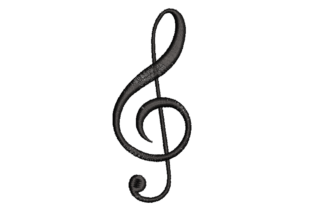
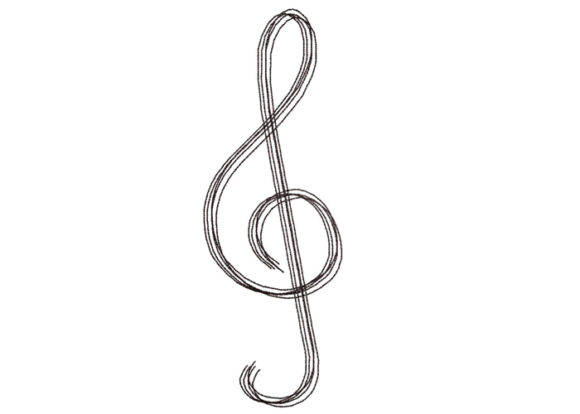
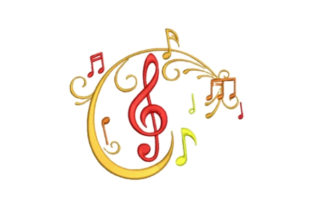
When I first opened the Music Notes machine embroidery design, I immediately felt a sense of elegance and musical rhythm. The design is not cluttered—it’s clean, balanced, and instantly recognizable. For a craft fair product, that matters. A customer walking past a booth needs to understand what they’re seeing in under two seconds. Music Notes delivers that clarity. It feels modern yet timeless, decorative without being fussy. Whether you’re aiming for a minimalist look or a bold statement piece, this design adapts well. The mood is musical, playful but not childish, and it carries a certain premium feel that elevates handmade goods. I can see it appealing to music teachers, band members, choir directors, and anyone who loves music as a lifestyle or identity.
Where Music Notes Performs Best on Products
In my experience, not every embroidery design translates well to every product. Music Notes, however, has strong versatility. I evaluated it for my upcoming craft fair booth and considered several product categories.
Tote Bags
This is a natural fit. A tote bag with Music Notes stitched near the center or offset to one side becomes a wearable conversation starter. The design is large enough to be a focal point but not so large that it overwhelms a standard canvas tote. I would recommend using a medium hoop size and testing the placement so the notes sit comfortably above the bag’s bottom seam.
Aprons and Tea Towels
For kitchen and hostess gifts, Music Notes brings a touch of personality. On an apron, it works well as a chest pocket design or centered on the bib. On tea towels, the design can be stitched as a single motif near the hem or repeated as a border. Because the notes are distinct, the design remains readable even after many washes, provided you use quality thread and a proper stabilizer.
Embroidered Patches
Patches are a hot craft fair item. Music Notes could be stitched onto twill or felt and then cut out with a precision edge. The design’s shapes—circles, stems, flags—are easy to trim around. I’d suggest using a dense satin stitch for the border and a slightly lighter underlay for the notes themselves. Patches can be sold individually or sewn onto caps, jackets, and backpacks.
Caps and Hats
Caps are tricky because of the curved surface. Music Notes, with its flowing lines, actually works well on a cap’s front panel if you choose a smaller size. The design doesn’t have tiny, cramped details that would distort on the curve. I’d recommend a medium weight cutaway stabilizer and a curved cap hoop to keep registration accurate.
Small Pouches and Pillow Covers
Small fabric pouches, like cosmetic bags or pencil cases, are perfect for a single music note or a small cluster. Pillow covers can feature a larger arrangement, maybe a full musical staff. The design’s open areas allow the fabric to show through, which adds texture and depth. For a booth display, I’d stitch one pillow cover with contrasting thread on a neutral linen.
Market Bags and Handmade Gifts
Music Notes is also a great choice for market bags (the foldable kind) and giftable items like bookmarks, sachets, or keychains. The design is small enough to fit on a bookmark yet still read clearly. It adds perceived value to simple handmade gifts.
Selling Points for Craft Fair and Handmade Markets
From a seller’s perspective, Music Notes has several strong selling points that make it a smart addition to your product lineup.
- Instant recognition – Music notes are a universal symbol. Customers don’t need to read a sign to understand the theme. This reduces hesitation and increases impulse buys.
- Broad appeal – It works for music lovers, but also for teachers, parents, students, and even as a nostalgic gift for someone who played an instrument. This expands your target audience.
- Photogenic for online listings – The design’s clear shapes photograph well. When you create a printable mockup or an Etsy listing photo, the notes stand out. Avoid busy backgrounds; use neutral fabrics like cream, navy, or forest green.
- Batch production friendly – Because the design is not overly complex, you can stitch multiple units quickly. Once you’ve dialed in the thread tension and stabilizer, you can repeat the design efficiently. This is crucial for a craft fair where you need volume.
- Works as a small accent or large focal – Depending on the hoop size you choose, Music Notes can be a subtle detail on a pocket or a bold statement across a tote bag. This flexibility lets you offer different price points.
Production Notes: What to Watch For
Before you commit to producing dozens of items, I recommend a careful test run. Every machine embroidery design has its quirks, and Music Notes is no exception. Here are my practical notes from the test stitch-out.
Stitch Density and Tiny Details
The design is generally well-digitized, but certain areas—especially the flags and stems of the notes—may have higher stitch density. This can cause fabric puckering if you’re using a lightweight material. I suggest testing on a scrap of your intended fabric first. If the fabric is thin, add a layer of tear-away stabilizer. If you’re working with thick towels or canvas, use a cutaway stabilizer to prevent the design from distorting.
Thread Colors and Contrast
Music Notes looks best with high contrast. Black thread on white or cream fabric is classic. A bright color like turquoise or red on denim can also pop. Avoid using thread colors that are too close to the fabric color, or the notes will blend in and lose impact. On dark fabrics, use a white or metallic thread. Always check the design’s underlay to ensure it covers well.
Small Lettering or Fine Details
The description notes that the design includes “mult” – likely multiple file formats – but I did not see any small lettering in the sample. If the design does contain small text, be careful: tiny lettering can become unreadable after shrinking the design. If you resize Music Notes down, keep the stitch count proportionate. The design loses clarity below 2 inches in height. For patches, a 2.5-inch height is a safe minimum.
Fabric Texture and Surface
Textured fabrics like waffle towels or ribbed knits can cause the design to sink into the fabric. Use a topper or a water-soluble stabilizer on top to keep the stitches crisp. For smooth fabrics like cotton or linen, Music Notes stitches beautifully without extra effort.
Curved Surfaces (Caps)
If you plan to stitch Music Notes on caps, test the design on a curved hoop. The design’s elements are not too wide, so it should fit within the cap’s front panel. Reduce the design size slightly if needed, and use a cap frame to keep the fabric taut.
Commercial Licensing
Before you sell finished products featuring Music Notes, confirm the commercial licensing terms of your embroidery file. The description says “comes with mult” – likely meaning multiple formats – but I’d advise checking the license agreement. Many digital embroidery file sellers allow commercial use for small shops, but always verify. If you are an Etsy seller, mention that the design is used under a commercial license in your product description.
Visual Appeal and Customer Engagement
In a craft fair booth, visual appeal is everything. Music Notes draws the eye because of its musical association. People naturally gravitate toward symbols that represent their interests. I would display the design on a tote bag at eye level, perhaps with a complementary color like mustard yellow or deep teal. The design’s clean lines also make it easy to pair with other motifs, like a treble clef or a single star, but I’d recommend keeping it simple for a cohesive booth display.
When customers pick up a product, they often examine the stitching. Music Notes has a satisfying tactile quality—the notes are distinct and the thread creates a slight raised texture. This adds to the perceived handmade quality. In my experience, designs that feel good to the touch are more likely to convert into sales.
For online listings, photograph the product in natural light. Use a plain background and show the design close-up. A printable mockup can also help, but nothing beats a real photo of the finished product. If you’re selling on Etsy, include a video of the design being stitched or the finished product being handled. This builds trust and shows the craftsmanship.
Final Thoughts from an Embroidery Designer
Music Notes is a solid addition to any craft fair seller’s library. It’s versatile, appealing, and practical to produce. The design doesn’t require excessive thread changes or complicated digitizing, which means you can focus on building your inventory. I recommend testing on a few different bases—canvas, cotton, twill, and felt—to see where it shines best for your specific market. Keep a real mockup at your booth so customers can see the quality up close.
One more piece of advice: check your hoop size before you start a production run. The design’s dimensions will determine where you can place it on products. Also, review the stitch count and density on your machine’s screen. If you notice any jumps or trims, adjust accordingly. A well-prepared design leads to a smooth stitching session and a beautiful finished product.
In summary, Music Notes is a reliable and attractive machine embroidery design that can help you create bestselling handmade products. Whether you’re a seasoned Etsy seller or a newbie at the local craft fair, this design offers a strong return on your time and materials. Stitch it, display it, and watch music lovers flock to your booth.