Wildcat: A Designer's Review for Boutique Sweatshirt Embroidery
When I first opened the Wildcat embroidery file on my digitizing software, I was preparing for a limited-edition sweatshirt drop for a small boutique brand. The client wanted something that felt both playful and premium—a design that would stand out on neutral hoodies, pop against dark fabrics, and feel at home on an oversized crewneck. I have worked with hundreds of machine embroidery designs over the years, and I can tell you right away: Wildcat has a personality that is hard to ignore. It is not just another animal motif. It is a carefully crafted piece that brings character to any fabric or garment it touches. Let me walk you through my honest evaluation of this design from a professional embroiderer's perspective, covering everything from first impressions to practical production concerns for your custom apparel line.
First Impressions of the Wildcat Machine Embroidery Design
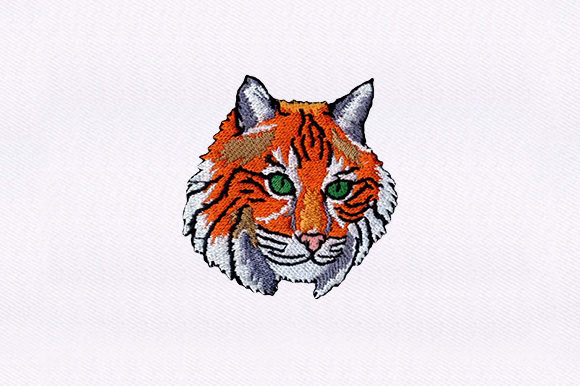
The moment I previewed the Wildcat design, I was struck by its balance of detail and charm. This is not a hyper-realistic rendering that demands a high stitch count and endless color changes. Instead, it captures the essence of a wildcat with a playful, approachable style that feels both modern and timeless. The silhouette is clean, the facial features are expressive without being cluttered, and the overall composition sits comfortably in a compact footprint that works beautifully for sweatshirt embroidery. For a boutique brand, first impressions matter enormously. This design immediately communicated that it could elevate a simple garment into a conversation piece. It feels like the kind of embroidery that customers will notice, point at, and ask about—which is exactly what you want for a small shop product aiming to build visual recognition and buyer trust.
Mood, Layout, and Stitching Personality
Wildcat carries a mood that is both playful and confident. It is not overly cute or cartoonish, but it also avoids being cold or intimidating. The stitching personality here leans toward a hand-drawn aesthetic that feels warm and inviting. When I zoomed into the design, I noticed the layering of thread colors is thoughtfully arranged to give depth without overwhelming the fabric. The eyes, ears, and fur details are stitched in a way that creates a gentle texture—almost like a sketch brought to life with thread. For a hoodie design, this type of personality is gold. It works on a pastel sweatshirt for a soft, feminine look, but it also holds its own on a dark charcoal or olive green fabric where the contrast can make the wildcat feel bold and striking. The design is versatile enough to feel at home in a cozy seasonal collection or a year-round boutique offering.
How Wildcat Performs on Sweatshirt Fabric
Let me get into the practical side of things. Sweatshirt fabric, especially fleece and French terry, presents unique challenges for machine embroidery. The thickness of the fabric, the give of the knit, and the way stitches settle into the surface all affect the final result. Wildcat, based on my review of the embroidery file, is well-suited for this type of textile. The stitch density appears moderate, which is a critical factor. Too dense, and the design can feel stiff or cause puckering on stretchy fabrics. Too light, and it might not hold its shape after washing. Wildcat hits a sweet spot where the design stays crisp while allowing the fabric to retain its natural softness. For a boutique brand producing limited drops, this means you can offer a finished product that feels luxurious to the touch and looks professional on the rack. I would recommend testing the design on a sample swatch of your chosen fabric before full production, but my initial read is that this design will sew out beautifully on most medium-weight sweatshirt materials.
Placement Options: Chest, Sleeve, and Back Designs
One of the first things I do when evaluating a digital embroidery file is imagine where it can live on a garment. Wildcat is incredibly flexible in this regard. For a classic hoodie chest placement, the design sits perfectly at the left chest or center chest, drawing the eye without overwhelming the wearer. It is also a strong candidate for a sleeve accent—imagine a small Wildcat embroidered near the cuff of a neutral sweatshirt, adding a subtle detail that elevates the entire piece. For bolder merchandise, the design can scale up for a back design, though I would recommend checking the original file dimensions and stitch count to ensure the integrity holds at larger sizes. I have seen too many designs lose their charm when stretched beyond their intended scale. Wildcat, with its clean lines and balanced proportions, has a good chance of scaling well, but always test with your embroidery machine and hoop size before committing to a full run. This design also works beautifully in lifestyle product photography, where a single Wildcat on a cozy hoodie can become the focal point of your Etsy listing or social media campaign.
Thread Color Contrast and Stitch Density Considerations
Thread color selection can make or break a machine embroidery design. Wildcat is designed in a way that gives you room to experiment with contrast. On a light heather grey sweatshirt, a dark navy or forest green thread makes the wildcat pop with a crisp, modern look. On a deep burgundy or black fabric, a lighter thread like cream or soft gold creates a striking, almost ethereal effect. The design does not rely on an excessive number of color changes, which is a practical advantage for small shop production. Fewer thread changes mean faster sewing times and less thread waste, both of which improve your bottom line. Stitch density is another area where Wildcat shows thoughtful design. The density is consistent enough to prevent gaps and ensure the embroidery looks solid, but it is not so heavy that it causes fabric distortion or requires specialty stabilizers. For a boutique brand, this balance is crucial because it directly affects the quality of the finished product and the durability of the embroidery through repeated washing and wear.
Stabilizer and Fabric Thickness Recommendations
As someone who has been in the commercial embroidery space for years, I cannot stress enough how important stabilizer choice is for a design like Wildcat. For sweatshirt embroidery, I recommend using a tear-away stabilizer for medium-weight fleece, or a cut-away stabilizer for heavier fabrics that need extra support. The design's moderate stitch density means it should not require excessive hooping tension, but always stabilize based on your specific fabric texture. If you are working with a thick, fluffy sweatshirt, a layer of water-soluble topping can help keep the stitches from sinking into the nap. Wildcat, with its detailed but not overly dense stitching, responds well to this approach. Testing the design with your chosen stabilizer and fabric combination is the only way to guarantee a consistent result across your entire production run. For Etsy sellers and small shops, this attention to detail is what separates a handmade product that feels premium from one that looks rushed.
Small-Size Readability and Hoop Placement
One of the common pitfalls in machine embroidery designs is losing readability when the design is stitched small. Wildcat, fortunately, has a clear and distinct silhouette that holds up well at smaller sizes. The facial features are defined enough that the wildcat remains recognizable even when reduced to a 2-inch or 3-inch height. This makes it suitable for accents on collars, pockets, or even as a matching embroidery on hats or beanies within a coordinated collection. When it comes to hoop placement, the design's compact shape gives you flexibility. You can center it precisely without worrying about the hoop pressing against seams or zippers. For a hoodie design, I recommend hooping the garment smoothly and using a light adhesive spray to keep the fabric from shifting during stitching. This is especially important for stretchy sweatshirt materials where distortion can ruin the alignment of the embroidery.
Washing Durability for Commercial Apparel
Durability is a non-negotiable factor for any apparel decorator or boutique brand. Customers expect their embroidered sweatshirts to survive multiple washes without fraying, puckering, or losing thread tension. Based on my review of the Wildcat design, the stitch density and thread path appear well-planned to minimize these risks. The design does not rely on long, unsupported satin stitches that can snag or pull over time. Instead, it uses a combination of short stitches and filled areas that lock into the fabric securely. To maximize washing durability, I recommend using a high-quality polyester thread and a cut-away stabilizer for fabrics that see heavy wear. Pre-shrinking your sweatshirt fabric before stitching also helps prevent distortion. Wildcat, when produced with care, will hold up beautifully and keep the design looking fresh for the life of the garment. This level of durability builds trust with your buyers and encourages repeat purchases from your small shop.
How Wildcat Elevates Brand Identity and Buyer Trust
Every embroidery design you choose for your custom apparel line sends a message about your brand. Wildcat conveys a sense of playful sophistication that appeals to customers looking for something unique but not over-the-top. It is the kind of design that feels intentional and curated, which is exactly what boutique brands need to stand out in a crowded marketplace. When you feature Wildcat on your sweatshirts, you are telling your customers that you care about the details—the stitch quality, the thread color harmony, the way the design sits on the fabric. This attention to detail translates directly into buyer trust. People are more likely to purchase from a brand that consistently delivers high-quality embroidered products, and Wildcat gives you a reliable foundation to build that reputation. It also works beautifully in printable mockups and design assets for your Etsy listings, allowing you to present a cohesive and professional visual identity that attracts the right audience.
Final Thoughts for the Boutique Brand
After spending time with the Wildcat machine embroidery design, I can confidently say it is a strong addition to any small shop product lineup. It offers the perfect balance of charm and sophistication, with enough versatility to work across a range of sweatshirt styles, colors, and placements. Whether you are preparing a limited drop for the holiday season, building a permanent collection of hoodie designs, or looking for a signature motif that customers will recognize and love, Wildcat delivers. I recommend testing the embroidery file on your specific fabric and hoop size before full production, as every setup is unique. Pay attention to thread colors, stabilizer choice, and stitch density to ensure the finished product matches the quality of the design itself. With the right preparation, Wildcat will not only look stunning on your sweatshirts but also help you build a brand that customers trust and return to. This is the kind of design that makes embroidery fun again—and that is something every apparel decorator can get behind.