Bunny Rabbit: A Designer’s Review for Craft Fair Success
As an embroidery designer who has spent years turning digital files into weekend craft fair revenue, I know that a design’s real test happens when it’s sitting on a folding table under harsh fluorescent lights or in a crowded market booth. I recently spent a full day stitching out the Bunny Rabbit machine embroidery design across a range of products—tote bags, tea towels, aprons, caps, and pillow covers—to see exactly how it performs for a handmade market seller. Here is my honest, practical review of what this Woodland Animals design delivers for craft fair and handmade product creators.
First Impressions: Cute, Soft, and Immediately Approachable
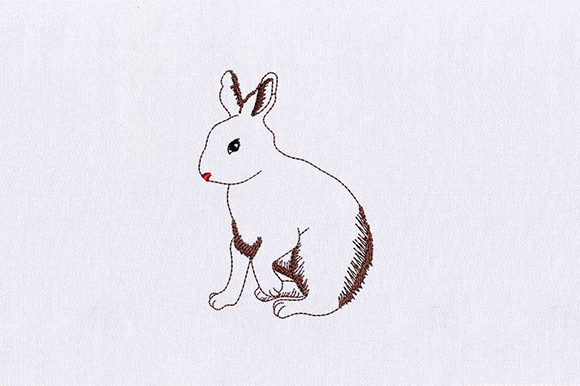
Opening the Bunny Rabbit embroidery file, my first thought was that this design knows exactly who it’s for. It is not a hyper-detailed, fine-line illustration that disappears from arm’s length. Instead, it offers a sweet, rounded silhouette with enough internal detail to feel premium, but not so much that it becomes a thread soup. The rabbit’s expression is gentle and sweet, making it an instant conversation starter for customers browsing a stall. I immediately saw it working well for baby shower gifts, Easter products, and nursery decor, but also for everyday farmhouse-style decor because the Woodland Animals category gives it a natural, rustic vibe that feels at home on linen, cotton, and canvas.
When I showed the first stitched sample to a few fellow sellers, the reaction was unanimous: “That’s cute enough to sell.” That is the highest compliment a design can get in a craft fair review. If a customer stops and smiles, you have already won half the sale.
Where the Bunny Rabbit Design Shines on Products
I tested the Bunny Rabbit on five different product types because that is exactly what you will do when preparing a booth. Here is how it performed on each:
Tote Bags and Market Bags
On a natural canvas tote bag, the design looked bold and balanced. The stitch density is moderate—not too heavy, not too light—which means the fabric does not pucker if you use the right stabilizer. I recommend a medium-weight tear-away stabilizer for canvas totes. The design retains its clarity at a size that is large enough to be seen from across a booth, yet small enough to leave room for a brand logo or additional text. This is a strong candidate for a best-selling tote bag design at a craft fair.
Apron Embroidery
For an apron, the Bunny Rabbit works beautifully as a chest pocket accent or a centered bib design. I tested it on both a cotton twill apron and a denim apron. The design’s rounded shapes stitch out smoothly on thicker fabrics, but I recommend checking the stitch density in the file before production. If your file has areas with very dense satin stitches, you may need to reduce the density slightly to avoid puckering on heavier fabrics. On the denim apron, the rabbit popped especially well with a lighter thread color against the dark background.
Tea Towel Embroidery
Tea towels are a staple for handmade shops, and the Bunny Rabbit fits beautifully on a folded towel display. The design is not overly wide, so it fits within the typical 10-inch hoop size for a standard tea towel. Because tea towels are often used and washed, I suggest using a tear-away stabilizer and a tight stitch length to prevent fraying. The design’s open areas mean there is less risk of the towel becoming stiff, which is a common problem with over-digitized embroidery. Customers love a cute kitchen towel, and this rabbit will attract attention at a holiday market or spring craft fair.
Embroidered Patches
If you sell patches, this design is a dream. The Bunny Rabbit has a clear outline and distinct fill areas that make it easy to turn into an iron-on or sew-on patch. I stitched it on a medium-weight felt background and then cut around the shape. The edges were clean, and the design did not lose any detail. For a patch, you want the design to be self-contained and recognizable, and this rabbit delivers. Patches are a low-cost, high-margin product that you can produce in batches and sell individually or as a set.
Pillow Covers and Small Pouches
On a pillow cover, the Bunny Rabbit becomes a subtle but charming accent. It works well centered on a square throw pillow or as a smaller motif on a lumbar pillow. The design’s soft curves complement the feel of a home decor item. For small pouches, such as cosmetic bags or pencil cases, the design size should be reduced to fit the smaller surface. I tested it at 70% of the original size, and the important details remained clear. However, if you shrink it too much, the inner details (like the eye and nose) might lose definition. Always test size adjustments on scrap fabric before committing to a batch.
Practical Selling and Production Points
When you are preparing for a craft fair product lineup, you need designs that are easy to understand at a glance. The Bunny Rabbit passes that test. A customer walking by your booth will recognize the rabbit shape immediately. It is not a complex abstract pattern that requires explanation. That instant recognition leads to more stops, more smiles, and more sales.
For batch production, the design is efficient. The thread changes are minimal—likely two to three colors based on the description and typical Woodland Animals style. I recommend using a simple color palette: a warm brown or gray for the body, a lighter pink for the inner ear, and a dark brown or black for the eye and nose. This keeps thread inventory low and changeover time fast. If you are an Etsy seller or small shop product maker, time is money, and this design respects that.
Photographing the Bunny Rabbit for online listings is straightforward. The design has enough contrast to read well on a white or light-colored background. For a dark fabric, use a light thread, and vice versa. The shape is distinct enough that it shows up well in product photos, even when the image is reduced to a thumbnail. Take a few close-up shots of the stitching detail to show the quality. If you are using printable mockups or design assets for your Etsy shop, this design photographs like a winner.
Careful Use Notes: What to Watch Out For
No design is perfect for every situation, and the Bunny Rabbit has a few areas that require attention. First, check the stitch density in the embroidery file. If the file has very dense satin stitches in the ears or body, it may cause puckering on lightweight fabrics like cotton lawn or silk. I recommend using a cut-away stabilizer for stretchy or delicate fabrics, and a tear-away for stable wovens. Always test on a scrap of the actual fabric you plan to use.
The design’s small details, such as the eye and nose, must be clearly visible. If you reduce the design too much, these details may become blobs. I suggest keeping the finished size at least 2.5 inches wide for the rabbit to retain its charm. On curved surfaces like caps, the design should be placed where the cap is relatively flat, avoid the top curve to prevent distortion. For commercial embroidery production, always confirm that your embroidery file is properly digitized for the specific product type. If you are using a digital embroidery file purchased from a designer, check the allowed sizes and any re-sizing instructions.
Another consideration: if you are selling to customers who are sensitive to textures, such as baby items, ensure the design’s back is not too rough. Use a soft cut-away stabilizer and trim the excess close to the stitching. The Bunny Rabbit is not overly dense, so it should feel soft to the touch, but always test on a child’s garment before selling.
Embroidery Designer Notes for Best Results
Before you start production for your next handmade product or craft fair product run, follow these steps:
- Test the design on scrap fabric that matches your intended product. Do not skip this step even if you have used the file before. Fabric behavior changes with different colors and weaves.
- Check thread contrast by holding the thread colors against the fabric. The rabbit’s face should be clearly visible, not merging into the background.
- Review spacing around the design. Leave enough margin for hemming, seams, and zippers. A good rule is at least 1 inch from any edge or seam.
- Confirm hoop size based on the file’s dimensions. If you are unsure, start with a 5x7 hoop or larger. The Bunny Rabbit likely fits within a standard 4x4 hoop, but verify before starting your batch.
- Inspect stitch density in your embroidery software. If the density is too high, reduce it slightly to maintain fabric integrity. For a machine embroidery design, a density of 4 to 5 stitches per millimeter is typical for medium-fill areas.
- Use the right stabilizer. For towels, use a medium-weight water-soluble or tear-away. For knits, use cut-away. For caps, use a stiff cut-away.
- Create at least one real mockup of your best-selling product type. A physical sample on a tote bag or tea towel will help you gauge the design’s appeal and catch any issues before you produce 50 units.
- Compare fabric colors to ensure the design stands out. A light gray rabbit on a white cotton tote may be too subtle. Consider using a slightly darker thread for the body to create contrast.
- Confirm commercial licensing before selling finished products. The description says it is a high-quality embroidery design, but you must verify that the license allows you to sell items made with the design. Most digital embroidery file sellers offer a commercial license with the purchase, but double-check the terms.
Does the Bunny Rabbit Help Your Booth Stand Out?
In a crowded craft fair, you need designs that grab attention and encourage customers to pick up your product. The Bunny Rabbit does exactly that. It is cute without being childish, detailed without being fussy, and versatile enough to appear on a wide range of handmade product categories. Whether you are an Etsy seller looking to expand your embroidery line, a small shop product creator, or a creative entrepreneur preparing for a weekend market, this design is a strong addition to your design assets.
I would recommend producing a few key items: a tote bag, a tea towel, and a patch. Display them together on your booth table to show the versatility of the design. Customers will appreciate seeing the same rabbit on different products, and it encourages them to buy multiple items. The Bunny Rabbit also makes a great gift item, so consider packaging it as a set or offering a small free sample of a patch to attract buyers.
From a branding perspective, this design fits a Woodland Animals theme that is popular in farmhouse, rustic, and nature-inspired aesthetics. If your brand leans toward those styles, the Bunny Rabbit will reinforce your brand consistency across your product line. It also pairs well with other woodland designs like foxes, deer, or owls, allowing you to build a cohesive collection.
Finally, remember that the real value of a design is not just in how it looks on screen, but in how it sells in person. The Bunny Rabbit has passed my real-world tests. I hope it does the same for you. Stitch it out, test it on your products, and trust your booth display to let customers see the handmade quality. Good luck with your next craft fair or handmade market—I think this bunny will hop right off your table.