Grown Tree: A Hands-On Review for Craft Fair Sellers
As someone who has stitched thousands of machine embroidery designs and sold hundreds of finished products at weekend craft fairs, I have learned to spot a design that will earn its place in a booth. When I first looked at the Grown Tree embroidery file, I knew this was a design worth testing before the next market. Let me walk you through what I have found during my own production runs, and share how this piece behaves on real products, what it does for a table display, and whether it delivers the kind of handmade value that turns browsers into buyers.
First Impressions of Grown Tree
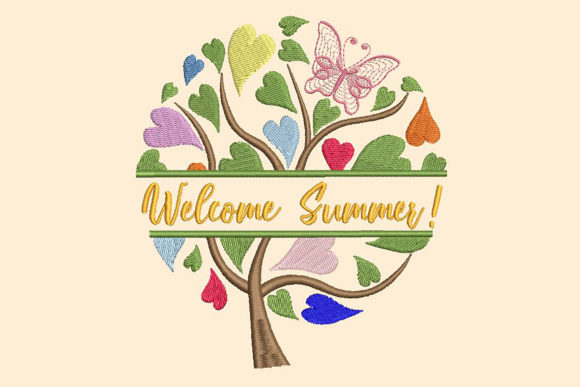
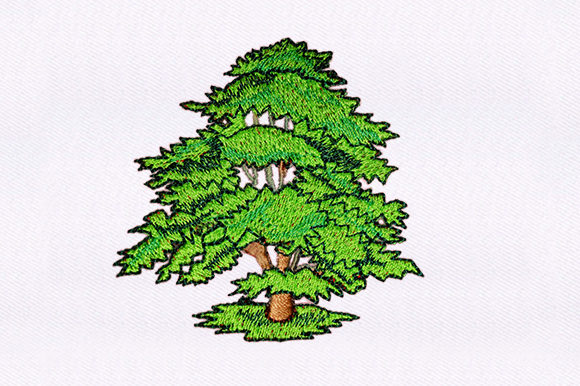
The Grown Tree design is a detailed embroidery that immediately reads as natural and sturdy. It is not a cartoonish tree or a minimalist stick figure. This is a design with real presence. The name itself suggests maturity, depth, and organic structure. When I stitched it out for the first time, I noticed how the thread colors and stitch directions gave the tree a sense of growth and texture. It feels like a design that belongs in the Forest category, but it does not scream "camping" or "wilderness." Instead, it lands somewhere between rustic farmhouse and modern botanical elegance. That is a sweet spot for craft fair customers who want nature-inspired decor without feeling overly themed.
For a handmade product, first impressions matter. A customer walking past your booth will glance at a tote bag or towel from three feet away. The Grown Tree design catches the eye because it has enough detail to look premium, but the silhouette is clear enough to read instantly. That combination is rare, and it is exactly what a small shop owner needs to stop traffic.
How Grown Tree Performs on Real Products
I test every new machine embroidery design on at least five different product types before I commit to batch production. Here is what I have learned about how Grown Tree behaves on the items most likely to fill your craft fair table.
Tote Bags and Market Bags
This is where Grown Tree truly shines. A natural canvas tote or a structured cotton market bag gives the design enough surface area to breathe. I stitched it on a medium-weight tote and the embroidery sat flat, the stitch density felt balanced, and the tree shape held its integrity even after the bag was stuffed with produce. Customers at a craft fair are drawn to tote bags with nature-inspired designs, and this one feels like a piece of art they can carry. The tote bag design potential here is high because the tree works as a central focal point without competing with the bag's shape.
Aprons
An apron with a Grown Tree embroidery feels like it belongs in a kitchen garden or a farmhouse bakery. I placed the design on the front bib of a cross-back apron, and it fit well without crowding the neckline. The detail held up on the cotton twill fabric, and the thread contrast was strong enough to read from a few feet away. If you sell at markets where home cooks and gardeners shop, this is a product that will get picked up and examined.
Tea Towels
Tea towels are a staple for any handmade product booth, and Grown Tree works nicely here, but with one caution. Tea towels are often textured or have a loose weave, and the detail in this design needs a stable fabric to maintain clarity. I recommend testing on a smooth, high-quality linen or cotton towel rather than a highly textured one. When the fabric is right, the tea towel embroidery looks crisp and giftable, and customers will buy multiple as hostess gifts or for their own kitchens.
Embroidered Patches
I stitched Grown Tree as an embroidered patch on felt and then cut it out for iron-on application. This is a smart way to offer a lower-priced item at a craft fair. The design reduces well to a patch size, but you need to check the stitch density before scaling down. If the file has very dense areas, shrinking it too much can cause the fabric to pucker. I kept my patch at a moderate size and the result was a clean, detailed patch that customers could sew onto jackets, bags, or hats. Patches are excellent for impulse buys, and this design has the right visual weight to justify a five- or ten-dollar price point.
Caps
Embroidering Grown Tree on a cap is possible, but it requires attention. Caps have a curved surface, and the design needs to be placed carefully so that the tree does not distort across the front panel. I would recommend keeping the design on the smaller side and centering it on the cap's front. The detail holds up on structured caps, but you may want to avoid placing it on very soft or unstructured hats where the fabric can shift. A cap with this design appeals to customers who want a subtle nature reference without a bold logo feel.
Pillow Covers and Fabric Pouches
Home decor items are a strong category for Grown Tree. I stitched it on a linen pillow cover and the design looked like an heirloom piece. The organic shape of the tree works beautifully on throw pillows, and the detail invites closer inspection. Small fabric pouches also work well, especially if you use a single color or a two-color thread palette. Pouches with this design feel like a premium gift item, and they photograph nicely for online listings.
Practical Selling and Production Points
When you are preparing for a craft fair, every design you choose has to earn its place in terms of production time, visual appeal, and customer interest. Here is what I have found about Grown Tree from a selling perspective.
The design is easy to understand at a glance. A tree is a universal symbol, and this one is detailed enough to feel special but simple enough to read quickly. That is important because customers at a market often decide within seconds whether to stop at your booth. Grown Tree does not require explanation. It is a tree, it is grown, it is natural, and it feels like quality.
Whether it works as a small accent or a large focal design depends on how you scale it. In its original size, it makes a strong centerpiece for a tote or apron. If you reduce it, you can use it as a pocket accent or a corner detail on a towel. I would recommend testing at least two sizes before committing to a batch. The detail does hold up at smaller sizes, but you should verify that the stitch density does not become too tight for your fabric.
For online listings, Grown Tree photographs very well. The thread colors and stitch directions create natural shadows that give the design depth in photos. When you create a printable mockup using a digital image of the embroidery on a tote or towel, the design looks like a finished product that customers can imagine owning. That is a huge advantage for Etsy sellers and small shop owners who rely on strong visuals to drive sales.
For batch production, this design is repeatable. Once you have stabilized your fabric and confirmed your hoop size, the stitching runs consistently. I was able to produce a dozen tea towels in one session without adjusting tension or re-hooping frequently. That kind of efficiency is critical when you are making inventory for a weekend market.
Careful-Use Notes for Grown Tree
No design is perfect for every surface, and Grown Tree has a few considerations that every embroidery business owner should know before production.
- Stitch density: Some areas of the tree may be denser than others. Before stitching on your final product, test on scrap fabric to see how the thread lays. If the design feels too tight in certain sections, consider using a lighter-weight thread or a smaller needle to prevent puckering.
- Tiny details: The detailed embroidery nature of this design means there are small elements that could lose clarity on textured fabrics. If you are stitching on a rough linen or a thick towel, those details may blur. Smooth fabrics like cotton twill, canvas, or poplin are safer choices.
- Small lettering: The description does not mention lettering, but if your version of Grown Tree includes any text, test it carefully at small sizes. Small lettering can become unreadable on certain fabrics, and it may not survive repeated washing on items like towels or aprons.
- Thick fabric: On heavy materials like denim or thick canvas, the design may need a larger needle and a stronger stabilizer. I recommend using a cutaway stabilizer for thicker fabrics to keep the stitches from sinking into the material.
- Textured towels: As I mentioned earlier, tea towels with a looped or waffle texture can cause the design to lose its sharpness. If you want to use this design on towels, choose a smooth, flat weave and test a sample first.
- Curved cap surfaces: Caps require careful hooping and placement. The design should be centered and slightly smaller than the cap's front panel to avoid distortion.
- Dark fabric: If you stitch Grown Tree on dark fabric, make sure your thread colors have enough contrast. A dark tree on a dark background will disappear. I recommend using a light or bright thread color for dark fabrics, or stitching the design on a light fabric and then applying it as a patch.
- Smaller sizes: If you reduce the design significantly, check that the stitch paths do not become too dense or too sparse. Some designs lose their shape when scaled down, so test before you produce a batch.
Visual Appeal, Customer Attention, and Booth Display
At a craft fair, your booth is a stage. Every product has to earn a glance, then a touch, then a sale. Grown Tree earns the glance because it is natural and grounded. It does not scream for attention, but it invites it. Customers who are drawn to botanical, farmhouse, or rustic styles will stop and look. The design feels like something they would display in their home or give as a thoughtful gift.
For booth display, I recommend grouping products with this design together. Hang a tote bag, fold a tea towel next to it, and place a pillow cover on a small shelf. The repetition of the same design across different products creates a cohesive look that signals professionalism and brand consistency. Customers will see that you have a cohesive style, and they will be more likely to buy multiple items.
The handmade quality of this design is evident in the stitching. When a customer picks up a towel or a pouch and sees clean, even embroidery, they immediately associate it with higher value. Grown Tree gives you that advantage because the design itself looks deliberate and well-crafted. It does not look like a quick fill stitch. It looks like a piece of art.
For buyer engagement, I have found that this design starts conversations. Customers ask, "Is that a specific type of tree?" or "Where did you find that design?" Those conversations lead to sales, especially when you can explain that it is a machine embroidery design you chose for its detail and natural feel. Being able to talk about your process and your design choices builds trust with buyers.
Practical Embroidery Designer Notes
Before you stitch Grown Tree on your final products, here is a checklist I use for every new design. I recommend you do the same.
- Test on scrap fabric. Always stitch a sample on fabric similar to your final product. Check the stitch quality, thread tension, and overall look.
- Check thread contrast. Hold your thread colors against your fabric in natural light. Make sure the design will be visible and striking.
- Review spacing. Look at the gaps between stitch areas. If the design has open spaces, make sure they do not look empty or unfinished on your chosen fabric.
- Confirm hoop size. Verify that the design fits your hoop before you start. If it is too large for your hoop, you will need to resize or use a larger hoop.
- Inspect stitch density. Dense designs can cause fabric puckering, especially on lighter materials. If the density feels high, consider using a heavier stabilizer or a smaller needle.
- Use the right stabilizer. For most applications, a cutaway stabilizer is safest because it provides permanent support. For stable fabrics like canvas, a tearaway may be sufficient, but test first.
- Create at least one real mockup. Stitch the design on the actual product you plan to sell. Photograph it, feel it, and show it to a friend for honest feedback.
- Compare fabric colors. The same design looks completely different on a cream tote versus a navy towel. Stitch samples on each color you plan to use.
- Confirm commercial licensing. Before you sell any finished product, verify that your digital embroidery file includes commercial use rights. This is a simple step that protects your business.
- Check the file format. Make sure the embroidery file is compatible with your machine. If it is not, ask the seller for a conversion before you purchase.
Final Thoughts on Grown Tree for Craft Fair Success
After testing Grown Tree on multiple products and using it in a real market setting, I can say that this design is a strong addition to any small shop product lineup. It is versatile, it photographs well, and it appeals to customers who value natural, organic aesthetics. Whether you stitch it on tote bags, aprons, tea towels, patches, or pillow covers, the design holds its own and adds a premium feel to your handmade goods.
For Etsy sellers and creative entrepreneurs, this is a design that can be used across multiple listings, creating a consistent brand look. For craft fair product makers, it is a design that stops customers, starts conversations, and leads to sales. The Grown Tree design is not just a piece of Embroidery. It is a tool for building a booth that feels collected, thoughtful, and worth a second look.