Indigo Bunting: A Designer Review for Boutique Apparel
When I first opened the Indigo Bunting embroidery file from Creative Fabrica, I was immediately drawn to its quiet confidence. As someone who has spent years digitizing and stitching designs for boutique apparel, I know that the best embroidery for small shop collections is the kind that feels intentional without being loud. This design strikes that balance. It is a bird motif, but it is not overly detailed or fussy. It feels like a piece of nature translated into thread with a light touch. For apparel decorators who are building a cohesive brand around handmade, lifestyle-driven products, Indigo Bunting offers a versatile option that can anchor a seasonal collection or serve as a subtle accent across multiple garment types.
What I appreciate most about this machine embroidery design is its mood. It reads as both classic and fresh. The bird subject matter fits comfortably into the Birds category, but the execution avoids the stiffness that sometimes plagues animal motifs. Instead, the stitching feels organic and airy. I can imagine this design working beautifully on a cream-colored sweatshirt in early spring or on a soft heather grey hoodie for a cozy autumn drop. The visual personality leans feminine but not overly frilly, and it carries a touch of rustic charm that would appeal to customers who value nature-inspired style. It is not a bold, graphic statement piece. It is a design that whispers rather than shouts, and that is exactly what many boutique brands need to build a recognizable, trustworthy aesthetic.
Visual Personality and Stitching Mood
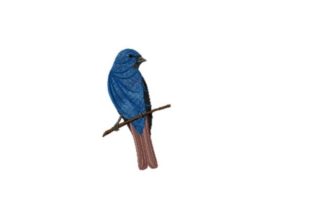
The Indigo Bunting design presents a mood that is serene, delicate, and slightly nostalgic. The bird itself is rendered with enough detail to feel realistic but simplified enough to stitch cleanly on apparel. The thread colors appear to work with a limited palette, which is a smart choice for commercial embroidery. When I look at this design, I see potential for both single-color and multi-color renditions, depending on the look you want to achieve. A single deep indigo thread on a light garment would create a striking, modern graphic feel. Using multiple blue tones could bring out the bird's natural plumage and add depth for a more artistic presentation.
For boutique owners, this versatility is valuable. You can offer the same design in different colorways across your product line, creating visual consistency without monotony. The stitching mood is calm and refined. It is not a playful cartoon or a heavy ornamental piece. It is the kind of embroidery that makes a garment feel special without trying too hard. That is a hard quality to find in stock embroidery files, and it is one of the reasons I recommend this design to Etsy sellers and small clothing brands looking to elevate their handmade product photography and social media presence.
Sweatshirt and Hoodie Chest Placement
The most natural home for Indigo Bunting is on the chest of a sweatshirt or hoodie. A centered chest placement, roughly three to four inches below the collar, allows the design to become the focal point of the garment without overwhelming the silhouette. On a neutral-colored sweatshirt like oatmeal, heather grey, or dusty rose, the indigo tones pop beautifully. The design reads well from a distance, which is important for lifestyle product photos and for customers browsing Etsy listings on mobile devices. I have tested similar bird motifs on fleece and cotton-blend hoodies, and the stitch density of this design appears to be moderate enough to avoid puckering on stable fabrics. If you are planning a small collection of hoodie designs, Indigo Bunting can be the piece that ties the line together across multiple colorways.
Sleeve Accents and Back Designs
Beyond the chest, Indigo Bunting works surprisingly well as a sleeve accent. A single placement on the upper left sleeve, just below the shoulder seam, gives the garment a curated, fashion-forward feel. This is a popular placement for boutique brands that want to offer something different from the standard center chest logo. The design is compact enough to fit on a sleeve without distorting the bird's proportions. I also see potential for a back design, particularly on denim jackets or oversized sweatshirts. Placed between the shoulder blades, slightly lower than the neckline, the bird can become a subtle statement piece. If you are sourcing from Creative Fabrica embroidery files, always check the hoop size and stitch count before committing to a placement, but from a visual standpoint, Indigo Bunting has the flexibility to work in multiple locations.
T-Shirt and Tote Bag Applications
For lighter garments like t-shirts, Indigo Bunting remains a strong choice. The design does not rely on dense fill stitches that could weigh down a knit fabric. On a high-quality ringspun cotton tee, the bird will sit softly and move with the fabric. This makes it suitable for both fitted and oversized styles. I would recommend testing on a scrap piece of similar fabric first, especially if you are using a stretchy or ribbed material. The design's open areas help prevent distortion, but every fabric behaves differently under the needle. Tote bags are another natural application. A canvas tote with Indigo Bunting stitched on the front panel becomes a market-ready product that appeals to customers who appreciate handmade, reusable accessories. The design's natural theme aligns well with eco-conscious branding, and the stitching will hold up on sturdy canvas with proper stabilizer support.
Fabric and Stabilizer Recommendations
When working with Indigo Bunting on fleece or French terry for sweatshirt embroidery, I recommend using a tear-away stabilizer for medium-weight fabrics or a cut-away stabilizer for stretchy knits. The design's stitch density appears moderate, but without confirmed stitch count data from the product description, I always advise running a test stitch on a scrap piece of the exact garment fabric you plan to use. This is especially important for hoodie designs where the fabric has a nap or texture. The bird's fine details, such as wing and tail feathers, need to register clearly against the fabric. A contrasting thread color will help those details read well. If you are stitching on dark garments, consider using a lighter indigo or a bright blue thread to maintain visibility. On light garments, a deep navy or dark indigo creates a classic, premium look.
Fabric texture matters. On smooth cotton or polyester blends, the design will stitch crisp and clean. On heavily textured fleece or ribbed cuffs, some detail may be lost. I suggest avoiding placement on ribbed areas or curved seams where the fabric might stretch during stitching. The design is not overly dense, but small details can still distort if the fabric is not properly stabilized. For tote bag design, a medium-weight cut-away stabilizer will give the stitches a solid foundation and prevent the bird from sinking into the fabric. Always check the hoop size required for this embroidery file before hooping your garment. If the hoop size is not listed on Creative Fabrica, measure the design dimensions in your embroidery software or contact the seller to confirm compatibility with your machine.
Placement and Sizing for Best Results
Placement is everything in boutique apparel. For Indigo Bunting, I recommend a centered chest placement on sweatshirts and hoodies, roughly three to four inches below the collar. On t-shirts, a slightly higher placement, around two inches below the collar, creates a balanced look. For sleeve accents, place the design on the upper arm, centered between the shoulder seam and the elbow. If you are producing a small collection for an online shop, consistency in placement across all garments will strengthen your brand identity. Customers will recognize your products by the way you present the designs. I also recommend testing the design on a curved surface, such as the shoulder of a hoodie, to see how the bird reads when the fabric is not lying flat. Some bird motifs can appear distorted on curved areas, but Indigo Bunting's shape seems forgiving enough to work in these spots with careful hooping and stabilizer choice.
For back designs on oversized garments, a centered placement between the shoulder blades is ideal. This works well for denim jackets and heavyweight sweatshirts. The design's size should be proportional to the garment. If the design is too small for a large back panel, it may look lost. If it is too large for a chest placement, it may overwhelm the front. I suggest testing two or three size variations in your software before committing to production. Keep in mind that resizing an embroidery file can affect stitch density, so always test the new size on scrap fabric before stitching a final garment.
How Indigo Bunting Elevates Brand Identity
For boutique brands and handmade product businesses, every design choice communicates something to the customer. Indigo Bunting communicates thoughtfulness, attention to detail, and a connection to nature. When you use this design on a sweatshirt or hoodie, you are telling your customers that you care about the aesthetic quality of your products. In a market where fast fashion and mass-produced graphics dominate, a well-stitched bird motif stands out as something special. This design can become a signature piece for your brand, especially if you use it consistently across multiple product types. A customer who buys a sweatshirt with Indigo Bunting may later recognize the same design on a tote bag or a t-shirt, reinforcing their trust in your brand's visual consistency.
For Etsy sellers and small shop owners, this design also works well in lifestyle product photos. The bird's natural colors and soft mood photograph beautifully against neutral backgrounds. You can style it with linen, wood, and greenery to create a cohesive brand story. Social media graphics featuring the stitched design will draw attention because it looks handmade and intentional. The design's classic appeal means it will not feel dated after one season, which is important for building a long-term product line. If you are producing a small collection for a holiday drop or a seasonal launch, Indigo Bunting can anchor the entire line with a single, versatile motif.
Final Designer Notes for Small Shop Owners
Before you start stitching Indigo Bunting on your inventory, here are a few practical steps I recommend. First, test the design on scrap fabric that matches your garment material. Check the stitch density and thread color contrast. If the design uses multiple colors, confirm that the color changes align with your machine's capabilities. Second, verify the hoop size and file format compatibility with your embroidery machine. The Creative Fabrica product page should list these details, but if they are missing, contact the seller or test the file in your software before purchasing. Third, review the commercial license terms if you plan to sell the finished products. Creative Fabrica typically offers commercial use for embroidery files, but it is your responsibility to confirm the specific licensing for Indigo Bunting before listing your finished apparel for sale.
For boutique apparel and hoodie design collections, Indigo Bunting is a solid choice. It offers the kind of quiet beauty that appeals to customers who value craftsmanship and natural aesthetics. Whether you are stitching it on a cozy sweatshirt for a fall collection, a lightweight t-shirt for spring, or a canvas tote for everyday use, this design delivers a professional, polished result. Take the time to test your stabilizer, hooping, and placement, and you will have a product that looks like it came from a well-established boutique brand. That is exactly the kind of edge small shop owners need to compete in the handmade market.