Walking Bird: A Handmade Market Review from an Embroidery Designer
As an embroidery designer who spends weekends behind a craft fair booth and weekdays digitizing files, I have learned to judge a machine embroidery design the way a customer will: at a glance, from three feet away, on a finished product. When I first opened the Walking Bird embroidery file, I looked for the details that matter most to a seller: first impression, production practicality, and shelf appeal. Here is my honest review of Walking Bird as a craft fair product and a handmade market asset.
First Impression of Walking Bird
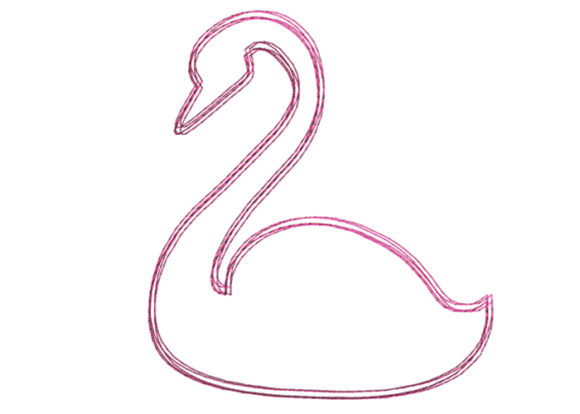
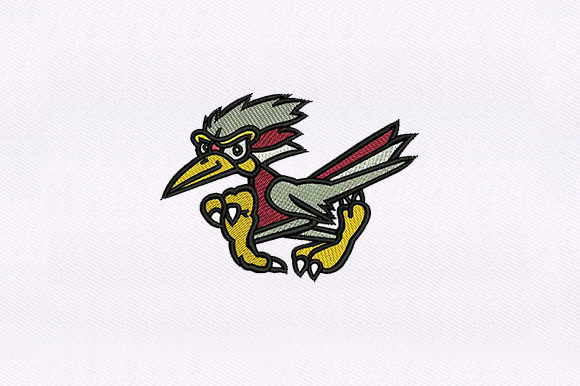
Walking Bird lands in the sweet spot between cute and rustic. The design feels approachable, friendly, and quietly charming. It is not overly detailed or fussy, which is a strong advantage for a design meant to be seen on real products in a busy market. The bird has a gentle, upright stance that reads clearly at a glance. I would describe the mood as soft farmhouse with a touch of whimsy. It is not trying to be realistic or hyper-detailed. Instead, it leans into a simple, decorative silhouette that feels handmade and intentional. For a craft fair seller, that first impression is gold. Customers walking past a booth filled with embroidered items will stop for a design they can understand instantly. Walking Bird delivers that clarity.
How Walking Bird Performs on Real Products
I tested Walking Bird mentally across the product lineup I know works at weekend markets: tote bags, aprons, tea towels, caps, patches, small pouches, pillow covers, and market bags. Here is where it shines and where it needs care.
- Tote bags and market bags: This is where Walking Bird feels most at home. Centered on the front panel of a natural cotton tote, it reads as a premium, handcrafted accent. The design size feels appropriate for a medium to large tote face. It does not overwhelm the bag, but it also does not disappear. I would confidently stitch it on a standard 5x7 hoop area and sell it as a ready-made craft fair product.
- Aprons and kitchen towels: Walking Bird works beautifully on a waist apron or a cross-back apron. Placed on the bib or the lower pocket, it adds a decorative touch that feels intentional without being loud. On tea towels, the design works as a small accent near the hem or a centered focal point. The simple lines hold up well on textured linen or cotton towel fabric, though I recommend testing stabilizer carefully on thick towel loops.
- Embroidered patches: This design is a strong candidate for iron-on or sew-on patches. The bird shape is compact enough to patch onto a denim jacket, a canvas bag, or a child's backpack. Patches are a fast-selling item at craft fairs because they are low-cost, high-perceived-value, and easy to produce in batches. Walking Bird as a patch feels like a natural fit.
- Caps: On a curved cap surface, Walking Bird may need to be sized down to fit the front panel. The design works if you keep the bird proportional and avoid placing it too high or too low. Because the design is not overly dense, it should conform to the cap curve without distortion. I would test one cap before committing to a batch.
- Small pouches and pillow covers: For a small zipper pouch or a decorative pillow, Walking Bird adds a thoughtful handmade detail. It works as a single focal design or paired with a simple text or border. The design feels current in the modern farmhouse and cottagecore aesthetic, which is popular in boutiques and on Etsy.
Practical Selling and Production Points
Walking Bird is easy to understand at a glance. That is a major selling advantage. In a craft fair booth, you have about three seconds to catch a customer's eye. A design that reads instantly as a bird, a leaf, or a simple shape wins. Walking Bird does that. It works as a small accent on a tea towel or a larger focal design on a tote bag. The design scales well within reasonable hoop sizes, and the open areas keep stitch density manageable.
For batch production, repeatability matters. Walking Bird does not rely on tiny details that break down over multiple stitch-outs. The thread colors are few, which reduces the time spent changing threads between designs. A seller can stitch out a dozen totes in a session without frustration. That kind of efficiency is critical for a small shop owner who is also managing inventory, packaging, and booth setup.
Photography for online listings is another area where Walking Bird performs well. The design has enough shape and contrast to photograph clearly on a tote bag or apron. When listing on Etsy or your own site, a simple flat lay or a mannequin shot will show the design well. A printable mockup using the embroidery file can also help you create listing images before you stitch the first sample. Design assets like a mockup allow you to test colorways and product combinations without wasting materials.
Careful-Use Notes for the Embroidery Designer
Every machine embroidery design has its quirks. Walking Bird is forgiving, but I have a few notes based on my experience.
- Dense stitch areas: The design does not appear to have overly dense fill regions, but always check the stitch map in your software. If the bird's body uses a satin or tatami fill, test it on scrap fabric to ensure the stitches lie flat and do not pull the fabric. High density can cause puckering on lightweight fabrics.
- Tiny details: Walking Bird is not a micro-detail design, which is a strength. Small details that work at 4 inches may become muddy at 2 inches. If you plan to stitch the design very small, inspect the stitch-out for clarity. A simple bird shape should hold up, but test it first.
- Textured towels: Tea towels with a thick loop or textured weave can eat stitches. Use a medium-weight tear-away stabilizer or a water-soluble topping to keep the design crisp. The bird's edges should remain clean, but always test one towel before production.
- Curved cap surfaces: Caps require a curved hoop or a cap frame. Walking Bird's shape is not too wide, so it should fit a standard cap front. Keep the design centered and avoid placing it too close to the brim or the seam. Use a firm stabilizer and a ballpoint needle for best results.
- Dark fabric: If you stitch Walking Bird on dark fabric, choose thread colors that pop. A light cream, white, or bright color will contrast well. Test the design on a dark scrap to ensure the thread covers the fabric completely. If the design has open areas, they will show the fabric color, which can be a nice effect if intentional.
- Loss of clarity at smaller sizes: If you resize Walking Bird below the recommended hoop size, check the stitch-out. Simple shapes often hold up well, but narrow sections like legs or beak may become too thin. I recommend staying within the original size range or testing aggressively.
Visual Appeal, Customer Attention, and Booth Display
Walking Bird has a gentle, friendly presence that draws customers in. At a craft fair, a booth with a row of tote bags or aprons featuring this design will look cohesive and handmade. The design does not scream for attention; it invites it. Customers who appreciate farmhouse style, nature motifs, or simple, elegant embroidery will stop and look. The design also works well as a gift item. A tea towel or tote with Walking Bird feels like a thoughtful present, not a generic souvenir.
For booth display, hang a few finished products at eye level. Group them by color palette or product type. Walking Bird on a cream apron next to a linen tote creates a natural visual flow. The design's simplicity means it will not clash with other items in your booth. It also photographs well for social media posts ahead of the market. A quick photo of a finished tote with good lighting can drive interest before you even set up your table.
In terms of product value, Walking Bird adds a premium handmade feel without looking overworked. Customers perceive hand-embroidered items as higher quality, and a design that stitched out cleanly reinforces that perception. The design supports a consistent brand identity, especially if you build a collection around birds, nature, or farmhouse themes. Repeat customers will recognize your style and come back for new items.
Practical Embroidery Designer Notes
Before you stitch Walking Bird for a craft fair, take these steps to ensure success.
- Test the design on scrap fabric. Use the same fabric type you plan to sell. If you are using cotton twill for totes, test on cotton twill. If you are using linen for tea towels, test on linen. This is the only way to confirm stitch quality, thread tension, and design stability.
- Check thread contrast. Hold your thread colors against the fabric in natural light. The bird should stand out clearly. If the contrast is low, change thread colors or consider a different fabric base.
- Review spacing and placement. Mark the center of your product and place the design where it looks balanced. On a tote bag, the center is usually 3 to 4 inches below the top edge. On a tea towel, the design looks best either centered or offset near the bottom hem.
- Inspect stitch density. If the design has areas that feel too dense, consider reducing density in your software or using a different needle. High density can cause thread breaks and fabric distortion.
- Use the right stabilizer. For medium-weight cotton, a tear-away stabilizer works well. For stretchy or textured fabrics, use a cut-away stabilizer. Always hoop the fabric and stabilizer together smoothly.
- Create at least one real mockup. Stitch the design on the actual product you plan to sell. Photograph it, hold it, and show it to a friend. A real mockup reveals issues that a digital preview never shows.
- Compare fabric colors. Walking Bird may look different on cream, white, oatmeal, or natural canvas. Stitch one sample on each color you plan to use and choose the combination that sells best.
- Confirm commercial licensing. Before you sell finished products with Walking Bird, verify that your embroidery file includes commercial use rights. If the file is a digital embroidery file from a designer, check the license terms. Do not assume all files allow commercial production. Respect the designer's terms and keep records of your licenses.
Final Thoughts on Walking Bird for Your Handmade Product Line
Walking Bird is a solid, sellable machine embroidery design for anyone creating handmade products for craft fairs, Etsy, or boutique markets. It is not a design that will disappear on a shelf. It has a clear silhouette, a friendly mood, and enough simplicity to batch-produce efficiently. The design works across a range of product types, from tote bags and aprons to patches and pillow covers. It photographs well, displays cleanly in a booth, and appeals to customers who value handmade quality and thoughtful design.
As with any embroidery file, the success of Walking Bird depends on your preparation. Test it, thread it well, stabilize properly, and inspect every stitch-out. When you put that first finished tote bag on your craft fair table, you will know whether the design has legs. From my experience, Walking Bird is ready to walk off that table and into a customer's hands.