Pomeranian Embroidery Design: A Small Business Review
As an embroidery designer who has worked with dozens of small businesses, from pet boutiques to neighborhood cafés, I’ve learned that the right machine embroidery design can make or break a branded product line. When I first looked at the Pomeranian embroidery file, I was curious how this fluffy breed would translate into a professional embroidered patch or apparel accent. Here’s my honest review from a production and branding perspective, especially for those of you creating small business merch or custom apparel.
First Impressions: Personality and Professionalism
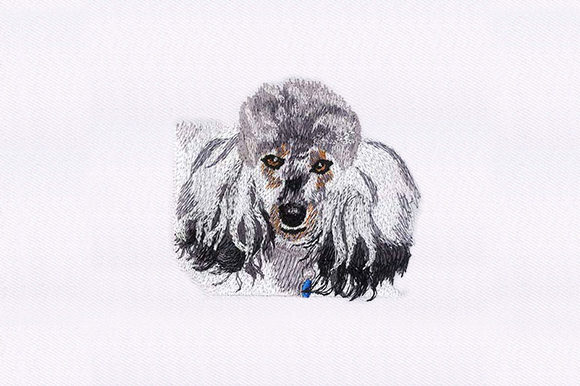
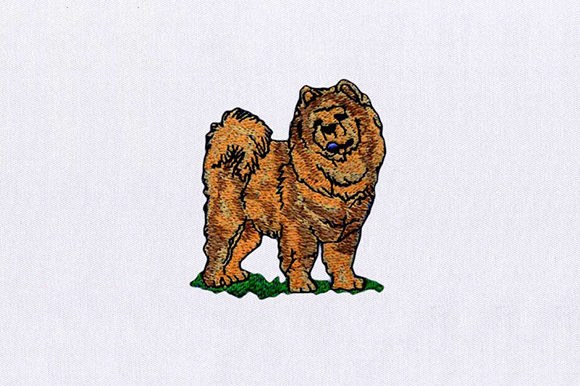
The Pomeranian design immediately reads as friendly, playful, and detailed. The fluff texture and alert expression give it a lively charm that works well for businesses wanting a warm, approachable identity. However, I was concerned whether such a detailed dog silhouette would hold up at small sizes without losing its character. The description calls it a “lovely embroidery” that will look great on any fabric, and I agree—but only after careful testing. For a handmade product like a boutique apron or a tote bag design, this design brings a premium, handmade feel. Yet for a uniform or cap embroidery where professionalism is key, the cuteness might need to be balanced with a more minimalist layout. Overall, it’s a versatile design, but its success depends on how you use it.
Embroidered Patches for Merchandise
Patches are one of the most popular ways to use digital embroidery files for small businesses. The Pomeranian, with its dense stitching and fur detail, makes a stunning embroidered patch for a pet brand, a dog-friendly café, or a local pet store. I’d recommend using it as a sew-on patch for jackets, tote bags, or even as a product label accent. The design’s complexity adds perceived value—customers see the detail and think “premium.” But keep in mind that high stitch density can make the patch stiff, so choose a soft backing and quality stabilizer. For a handmade product line, this patch could become a collectible item.
Cap and Apron Embroidery
For cap embroidery, the Pomeranian design is best used on the front or right side, not on a curved brim. The fluff requires a stable surface; a structured cap works better than a snapback. At a typical 2.5-inch width, you’ll see the eyes and nose clearly, but the fur detail might blur. I suggest testing a smaller version. For apron embroidery—think a bakery or florist shop—the design sits beautifully on the chest pocket or center bib. It adds a playful yet professional touch, especially if the business has a dog mascot or a pet-friendly vibe. The thread colors should be limited to two or three to keep production fast and cost-effective.
Tote Bags and Apparel Accents
The tote bag design is a natural fit for Pomeranian. On a canvas tote, the design becomes a conversation starter. I’ve seen similar machine embroidery designs used by independent bookstores and eco-friendly shops as customer gifts. The design’s density means the fabric will be pulled if not stabilized properly—use a tear-away or cut-away stabilizer based on your fabric texture. For a small business merch line, you can also use it as a sleeve detail on work shirts or a back yoke accent. The key is to keep it consistent with your brand identity: if your brand is rustic and handmade, the Pomeranian’s fluffy aesthetic fits; if you’re modern and minimalist, this might feel too busy.
Stitch Density and Fabric Choices
Pomeranian has a detailed outline and dense fill, which creates a plush look but also demands careful fabric choice. Heavy fabrics like denim, twill, or fleece handle the density well. Lightweight fabrics like cotton voile or silk may pucker. I always recommend testing your embroidery file on the actual fabric before committing to a run. The stitch density isn’t specified in the listing, but from the description of “high-quality embroidery,” I’d expect a professional-level digitization. Still, verify with a sample stitch-out. If you’re planning to use this on dark uniforms, choose a contrasting thread color—white or light gray works best for the fluff.
Hoop Size and Positioning
You’ll need to check the hoop size yourself since the product description doesn’t list it. For a patch, a 4x4 hoop might suffice, but if the design is larger, you may need a 5x7 or bigger. Always position the design so that the dog’s face faces outward—on a left chest, that means the dog looks toward the center. For a cap, center the design and avoid stretching the fabric. Use a cap hoop with a proper backing to prevent shifting. The spacing between elements in the design should be reviewed; if there are gaps, they might catch lint or look unfinished.
Thread Color Contrast
The Pomeranian design likely uses multiple colors for shading. To keep production simple for a small business merch line, I’d suggest reducing the palette to two or three colors—one for the body, one for the outline, and one for the eyes/nose. High contrast against the fabric ensures the design is readable from a distance. For a handmade product like a boutique tag, a monochromatic version (all one color) can look elegant and modern. Test a black-and-white mockup first to see if the design loses its identity without color.
Stabilizer and Washing
Because of the fabric texture and stitch density, I recommend a mid-weight cut-away stabilizer for most garments. This prevents the design from puckering after repeated washing. For commercial embroidery on uniforms, use a water-soluble topping to keep the fur details crisp. If the finished product will be washed frequently (like aprons or staff shirts), the design must be tight enough to avoid fraying. A test wash is non-negotiable. The Pomeranian’s fine lines could be a weak point—check that the outline is secured with a satin stitch or a run stitch.
Brand Identity and Customer Perception
Adding an embroidered Pomeranian to your custom apparel or merch instantly communicates a love for detail and a personal touch. For a pet brand, it builds brand identity and customer trust—people recognize the breed and feel a connection. For a non-pet business like a café, it can become a signature mascot, increasing recognition and buyer engagement. However, if your brand is sleek and corporate, this design might feel too casual. It’s best used by businesses that embrace a handmade product ethic, where the embroidery itself is a selling point. The visual consistency across your product line should be maintained—if you use this design on one bag, consider using it on all your design assets like labels or hang tags.
The design also affects product value. A detailed embroidered patch can justify a higher price point, especially when compared to a printed logo. Customers perceive embroidery as durable and premium. For an Etsy seller or a craft business, this design can become a bestseller if you pair it with a well-written story about the breed or the inspiration behind the design. Always include a printable mockup in your product listings to show the final look.
Practical Designer Notes Before You Stitch
- Test in black and white first – Before committing to thread colors, stitch out the design using a single color to see if the detail holds. This is especially important for cap embroidery where the design is small.
- Check if it works at small patch size – Reduce the design to 2 inches and examine the eyes and nose. If they become blobs, enlarge the design or ask the digitizer to simplify.
- Review thread color contrast – Place the proposed thread colors next to your fabric. The fluff should stand out. For dark uniforms, use a light thread; for light fabrics, use a medium tone.
- Inspect spacing – Look for gaps between the dog’s body and the outline. Too much space can look cheap; too little can cause thread breaks.
- Confirm hoop size – The listing doesn’t specify, but most similar designs fit in a 4x4 or 5x7 hoop. Verify with your machine’s maximum.
- Test on real fabric – Run a sample on the exact fabric you’ll use for production. Check for puckering, thread breaks, and registration.
- Use proper stabilizer – As mentioned, cut-away for most garments, tear-away for stable fabrics. Add a water-soluble topping if the fabric has a nap.
- Create a mockup for client approval – Use a printable mockup or mockup software to show the design on a cap, apron, or tote. This prevents misunderstandings.
- Compare it beside other design assets – If you have other machine embroidery designs in your collection, ensure the Pomeranian matches in style and scale. Consistency is key for brand identity.
- Confirm commercial licensing before business use – The product description says it’s a “high-quality embroidery for your next sewing project,” but it doesn’t explicitly state commercial rights. Always check with the seller or read the license terms. If you plan to sell items with this design, you need a commercial license.
In summary, the Pomeranian embroidery design has strong potential for small business merch, especially for pet-related brands, cozy cafés, or handmade boutiques. Its fluffy detail and friendly expression create a memorable brand identity that customers will love. However, it requires careful production planning—especially regarding stitch density, hoop size, and stabilizer. By following the practical notes above and testing thoroughly, you can turn this digital embroidery file into a finished product that elevates your custom apparel line. Whether you’re using it as an embroidered patch or a tote bag design, the Pomeranian will bring a premium, handmade feel to your business. Happy stitching!