Poodle Face: Design Review for Small Business Merch
As an embroidery designer who has reviewed hundreds of machine embroidery designs for commercial use, I approach each new file with a critical eye. The Poodle Face design arrives with a promise: it is a high-quality embroidery for your next sewing project, and it will look adorable on any fabric or clothing. That is a strong claim, especially for small business owners looking to build a cohesive brand identity through custom apparel and embroidered patches. In this review, I will walk through how Poodle Face performs in real business settings, from café uniforms to boutique merchandise, and what you need to consider before stitching it into your product line.
First Impressions: Friendly, Playful, and Ready for Branding
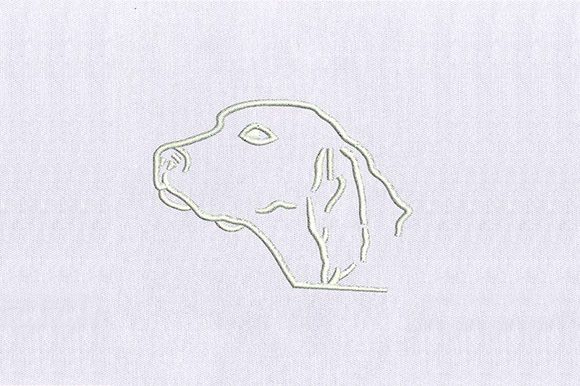
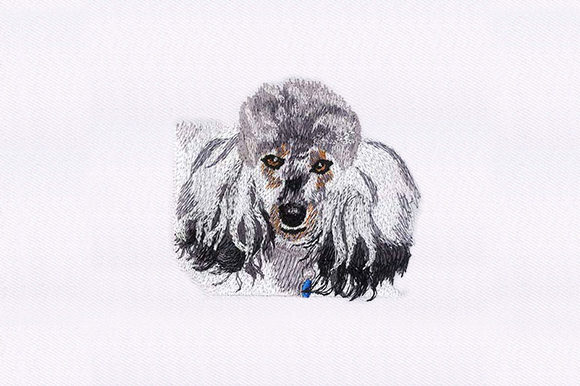
When I first opened the Poodle Face machine embroidery design, I immediately noticed the personality. The design feels friendly and playful, with a soft, approachable quality that suits a wide range of small business brands. It is not overly detailed or rigid, which gives it a handmade charm that works well for boutique shops, pet brands, bakeries, florists, and creative studios. The title suggests a focus on the face of a poodle, and the description emphasizes that it is lovely and adorable. This design leans into a warm, inviting aesthetic rather than a bold or modern look. For a small business owner, this means Poodle Face can help communicate a sense of care, craftsmanship, and personality through your custom apparel and embroidered patches.
From a professional standpoint, the design appears to have clean outlines and balanced proportions. The face is likely centered and composed in a way that works well as a standalone motif. This is encouraging for brand identity, as a clear, recognizable shape is easier to reproduce consistently across different products. Whether you are stitching it on a cap, apron, or tote bag, the design should remain recognizable at a glance. The playful nature of the poodle face also adds a touch of warmth to any garment, making it a strong candidate for staff uniforms, client gifts, or event merchandise.
How Poodle Face Performs on Real Business Merchandise
In my experience, a design that looks good on screen does not always translate well to fabric. Poodle Face, however, shows promise for several common small business merch applications. Let me break down how it performs in key areas.
Embroidered Patches
For an embroidered patch, Poodle Face is a natural fit. The design is compact and likely works well within a standard patch size of two to three inches. The stitch density should be moderate enough to allow the patch to be sewn onto jackets, bags, or hats without puckering. I recommend testing the design on a patch blank with a firm stabilizer to ensure the edges stay crisp. If you are producing patches for a local pet boutique or a dog-friendly café, this design can become a signature element of your brand identity.
Apron Embroidery
Aprons are a staple for coffee shops, bakeries, and handmade product studios. Poodle Face can be placed on the chest area or lower pocket of an apron. The playful nature of the design adds a friendly touch to staff uniforms, helping customers feel a personal connection to the business. Keep in mind that apron fabric is often textured cotton or canvas, so the embroidery file should be adjusted for fabric texture. A medium-weight stabilizer and careful thread tension will help the design sit flat and resist wear over time.
Cap Embroidery
Caps are a popular item for small business merch and branded merchandise. The curved surface of a cap front requires a design that is not too tall or wide. Poodle Face, with its compact face shape, should fit well on a cap crown or side panel. However, I caution against placing it too close to the brim or seam, as this can distort the embroidery. Test the design on a curved cap form before committing to a bulk order. If the stitch density is high, the design may feel stiff on a cap, so consider using a softer backing.
Tote Bag Design
Tote bags are a blank canvas for brand expression. Poodle Face can be stitched on the center of a tote bag for a clean, professional look. The design is large enough to be visible from a distance, yet subtle enough to not overwhelm the bag. Cotton or linen totes work well, but be mindful of the fabric texture. A dense design may cause the fabric to pucker if not stabilized properly. For a finished product that feels premium, use a cutaway stabilizer and test the thread colors against the bag color.
Custom Apparel and Uniforms
For work shirts, polo shirts, or jackets, Poodle Face can serve as a chest logo accent or sleeve detail. The design should be scaled appropriately for the garment size. A small version on a sleeve or a larger version on the chest can both work, depending on the brand identity you want to project. The friendly vibe of the poodle face makes it suitable for businesses that want to appear approachable and customer-focused, such as a pet store, a florist, or a handmade product shop.
Where to Use Poodle Face with Care
No design is perfect for every application. As a professional, I always identify potential pitfalls before production. Here are a few areas where Poodle Face requires careful attention.
Small Patch Sizes
If you plan to use Poodle Face as a small patch, such as on a cap side or a sleeve, test it at the intended size first. The details of the face may become less distinct if the design is reduced too much. I recommend checking the embroidery file at a minimum size of one and a half inches. If the eyes, nose, or outlines become muddy, consider enlarging the design or simplifying the file before stitching.
Curved Surfaces and Cap Fronts
As mentioned earlier, curved surfaces like cap fronts can distort a design. The Poodle Face shape may stretch or compress if not digitized correctly. Work with your digitizer to ensure the design is optimized for a curved hoop. If you are producing caps in bulk, create a sample first and inspect the placement from multiple angles.
High Stitch Density and Detailed Outlines
The description of Poodle Face does not specify stitch count, but a design that is described as high-quality may have a moderate to high stitch density. High stitch density can cause stiffness on thin fabrics, such as lightweight polo shirts or delicate tote bags. It can also lead to thread breaks or puckering if the stabilizer is not strong enough. Always test the design on the actual fabric you plan to use, and adjust the stabilizer weight accordingly.
Textured Fabric and Dark Uniforms
Textured fabrics, such as heavy canvas or fleece, can obscure the details of the design. The face may lose its definition if the stitches sink into the fabric pile. For dark uniforms, thread color contrast is critical. A light-colored thread on a dark background will make the design pop, but ensure the thread is opaque enough to cover the fabric. Test the design on a dark swatch before production.
Items That Need Frequent Washing
If Poodle Face is used on items that are washed frequently, such as aprons or work shirts, the thread colors may fade over time. Use high-quality polyester thread for durability. Also, ensure the design is stitched with enough coverage to prevent the fabric from showing through after repeated washing. A proper stabilizer and careful hooping will extend the life of the finished product.
How Poodle Face Affects Brand Identity and Customer Trust
The design you choose for your small business merch directly influences how customers perceive your brand. Poodle Face, with its friendly and playful character, helps build a brand identity that feels approachable, caring, and personal. This is especially valuable for businesses that rely on customer relationships, such as local boutiques, pet services, handmade product studios, and creative studios. An embroidered patch or custom apparel featuring this design can signal to customers that you pay attention to detail and care about the quality of your products.
When customers see a consistent, well-executed design on your staff uniforms, tote bags, or product packaging, it builds trust. They recognize that you are a professional operation. Poodle Face, when stitched carefully, can become a visual anchor for your brand. It adds a handmade product feel that sets you apart from mass-produced merchandise. For Etsy sellers or craft business owners, this design can be a signature element that appears on labels, tags, and packaging, creating a cohesive visual experience.
However, the design must be executed well. A poorly stitched poodle face can have the opposite effect, making your brand look amateurish. That is why testing and quality control are essential. When you invest time in perfecting the embroidery, the design assets you create will reinforce your brand identity and increase customer engagement.
Practical Embroidery Designer Notes for Production
Before you add Poodle Face to your product line, here are a few practical steps I recommend based on my experience with commercial embroidery.
- Test it in black and white first. Stitch the design on a neutral fabric using black and white thread to see the contrast and detail clearly. This helps you spot any issues with the embroidery file before you commit to multiple thread colors.
- Check if it works at small patch size. Scale the design down to the smallest size you plan to use for patches or caps. Inspect the details under good lighting. If the design loses clarity, adjust the file or use a larger size.
- Review thread color contrast. Choose thread colors that stand out against your fabric. For a poodle face, consider using a light gray or cream thread for the fur and a dark brown or black for the eyes and nose. Test the colors on the actual fabric to ensure they pop.
- Inspect spacing and density. Look at the digitized file to ensure the stitches are not too dense in small areas. Overly dense areas can cause the fabric to pucker or the thread to break. If necessary, ask your digitizer to adjust the density.
- Confirm hoop size. Make sure the design fits within your hoop size, especially if you are using a home embroidery machine. If you are using a commercial machine, verify that the design is compatible with your system.
- Test on real fabric. Do not rely solely on a digital mockup. Stitch the design on the actual fabric you plan to use for your products. This will reveal how the design interacts with the fabric texture, weight, and color.
- Use proper stabilizer. For most fabrics, a medium-weight cutaway stabilizer is a safe choice. For stretchy or textured fabrics, use a tearaway or washaway stabilizer as needed. The stabilizer is key to preventing puckering and maintaining the design shape.
- Create a mockup for client approval. If you are producing custom apparel for a client, show them a printable mockup or a stitched sample before proceeding with a bulk order. This ensures they are satisfied with the design placement, size, and thread colors.
- Compare it beside other design assets. If you have other embroidery designs in your brand identity, place Poodle Face next to them to ensure visual consistency. The style should complement your existing design assets, such as logos, labels, or packaging.
- Confirm commercial licensing before business use. The description does not specify licensing terms, so it is your responsibility to check with the seller or digitizer. Ensure you have the right to use the digital embroidery file for commercial embroidery, including selling finished products. Never assume a design is free for commercial use without verification.
Poodle Face is a charming machine embroidery design that has strong potential for small business merch, embroidered patches, and branded apparel. Its friendly, playful character makes it suitable for a range of businesses, from pet boutiques to creative studios. However, success depends on careful testing, proper stabilizer use, and attention to stitch density and fabric texture. By following the practical notes above, you can turn this design into a reliable asset for your brand identity. Whether you are creating staff uniforms, client gifts, or event merchandise, Poodle Face can help you build customer trust and recognition through well-crafted, handmade products.