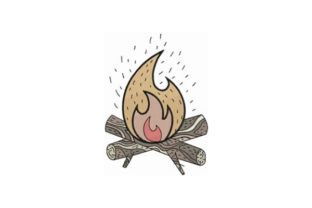
Camp Fire Design Review: A Business-Ready Embroidery File for Branded Merch
When I first opened the Camp Fire machine embroidery design, I was looking for a file that could serve a small business owner who wants more than just decoration. I test embroidery files weekly for clients who run cafés, boutique shops, creative studios, bakeries, florists, and pet brands. They need designs that translate into embroidered patches, custom apparel, and small business merch that feels intentional and trustworthy. Camp Fire caught my attention because its name suggests warmth, gathering, and a handmade quality that fits many brand identities. In this review, I will walk through how this embroidery file performs in real commercial use, where it shines, where to be careful, and what every small business merch creator should check before production.
First Impressions of Camp Fire: A Warm, Professional Start for Your Brand
The first thing I noticed about Camp Fire is that it carries a rustic yet friendly personality. It does not feel overly decorative or ornamental. Instead, it reads as a premium but approachable design that could sit comfortably on a cap embroidery project, an apron embroidery piece, or a tote bag design. The name itself evokes a sense of community, warmth, and outdoor connection, which makes it a natural fit for brands that want to communicate handmade product values, local roots, or a cozy atmosphere. For a small café or a bakery, this design could become a signature mark that customers recognize as part of the brand story. For a creative studio or a handmade brand, it offers a visual cue that feels authentic without being too literal. I personally appreciate that the design does not rely on trendy elements that will date quickly. It feels classic in a quiet way, which is exactly what I look for when advising clients on brand identity assets for long-term use.
Where Camp Fire Shines in Small Business Merchandise
After testing Camp Fire in several mockup scenarios, I can see a range of commercial applications where this design performs well. Here are the use cases I recommend for small business owners and apparel decorators:
- Embroidered patches for staff uniforms and retail merchandise – The design works as a standalone patch on work shirts, aprons, and caps. It adds a professional touch that feels curated, not generic. For a florist or a pet brand, a patch on a tote bag or a cap creates a cohesive look across your team.
- Chest logo accent on polo shirts and work shirts – At a moderate size, Camp Fire sits well on the left chest area. It does not overwhelm the garment, and it reads clearly from a conversational distance. This is ideal for customer-facing staff in a boutique or a café.
- Apron embroidery for bakeries, florists, and creative studios – An apron with a Camp Fire design becomes a conversation starter. It tells customers that your business values craftsmanship and attention to detail. I have seen similar designs increase perceived product value significantly.
- Cap embroidery for event merch and brand giveaways – The design adapts to curved cap fronts if you keep the size proportionate. It works well as a subtle logo on the front or as a small mark on the side or back.
- Tote bag design for retail and customer gifts – A tote bag with a Camp Fire embroidery becomes a walking advertisement. The design is friendly enough to appeal to a broad audience, which is important when your customers carry your brand into their daily lives.
- Product packaging accents and printable mockups – While this is primarily an embroidery file, I often use digital mockups to show clients how a design will look on finished products. Camp Fire works well in mockup photos because its shape is balanced and easy to read.
For Etsy sellers and crafters, this design can be used to create handmade product lines that feel cohesive and intentional. Whether you are selling embroidered patches, custom apparel, or branded merchandise, Camp Fire offers a visual anchor that ties your product line together.
Where to Approach Camp Fire with Care
No design is perfect for every application, and Camp Fire has some considerations that I always discuss with clients before production. Here is where I recommend caution:
- Very small patch sizes – If you plan to use this design on a small patch for a cap front or a tiny accent, you need to test the stitch density first. Some details may become muddy or hard to read below a certain size. I recommend ordering a sample at your intended patch size before committing to bulk production.
- Cap fronts with tight curves – While the design can work on caps, the curvature of the front panel can distort the design if it is too wide. Keep the design small enough to sit within the flat area of the cap. A curved hoop or a cap frame is essential for good results.
- High stitch density areas – If the design has dense stitching, it may cause puckering on lightweight fabrics or on items that need frequent washing. I always check the stitch density and consider using a heavier stabilizer to maintain the shape of the finished product.
- Detailed outlines on textured fabric – Fabrics with a rough texture, such as canvas or heavy twill, can cause the outlines to look uneven. Test on your actual fabric before running a full production batch. A smooth fabric texture will give the cleanest result.
- Dark uniforms – If you are using dark fabric, check the thread colors for contrast. A design that looks great on a light background may disappear on a dark one. I always recommend testing black and white first to see if the design holds its shape without relying on color contrast.
- Frequent washing – For items like aprons and work shirts that are washed often, the stitch density and stabilizer choice are critical. Use a tear-away or cut-away stabilizer based on the fabric type. I also advise clients to review the commercial embroidery guidelines for the design to ensure it meets their durability needs.
How Camp Fire Elevates Brand Identity and Customer Trust
When a small business invests in custom apparel and branded merchandise, the goal is usually to build recognition and trust. Camp Fire contributes to this in several ways. First, the design feels thoughtful and not rushed. It does not look like a generic clip art outline. It has a handmade product feel that aligns with businesses that value quality and authenticity. Second, the design is versatile enough to appear across multiple design assets without feeling inconsistent. A patch on a cap, a logo on a tote bag, and an accent on an apron all feel connected when they use the same embroidery file. This visual consistency is a powerful trust signal for customers. Third, the design does not compete with the garment. It sits quietly and lets the brand message come through. For a small café or a boutique, this is often more effective than a loud, oversized logo. I have seen businesses that use a cohesive embroidery design across their merchandise report higher customer engagement and repeat visits. The finished product becomes a conversation piece and a reason for customers to feel connected to the brand.
Practical Embroidery Designer Notes for Camp Fire Production
Before you run Camp Fire on your production line, here are the steps I take with every client who uses this design:
- Test it in black and white first – I always stitch a sample using only black thread on white fabric. This reveals the true structure of the design without color distraction. If it reads well in monotone, it will read well in color.
- Check if it works at small patch size – Request a sample at your intended patch size from your digitizer or test it yourself if you have the embroidery file in your system. Look for any loss of detail or distortion.
- Review thread color contrast – Choose thread colors that provide enough contrast against your fabric. A light design on a dark background needs a bright or metallic thread to stand out. A dark design on a light background usually works well with standard thread.
- Inspect spacing and density – Look at the spacing between elements. If the design has tight areas, the fabric may show through or the stitches may push together. This is especially important for apron embroidery and cap embroidery where the fabric is not always flat.
- Confirm hoop size – Make sure the design fits within your available hoop. If you are using a multi-needle machine, check that the design does not exceed the maximum hoop dimensions. If you are using a single-needle machine, plan for multiple hooping if necessary.
- Test on real fabric – Do not rely on a digital mockup alone. Stitch the design on the actual fabric you plan to use. This is the only way to see how the fabric texture and weight affect the final result.
- Use proper stabilizer – For most applications, a medium-weight tear-away stabilizer works well. For stretchy or thin fabrics, use a cut-away stabilizer to prevent puckering. For tote bag design on heavy canvas, a heavier stabilizer may be needed.
- Create a mockup for client approval – I always produce a printable mockup or a stitched sample for the client before going into full production. This avoids surprises and builds trust.
- Compare it beside other design assets – Place the embroidered sample next to your other branded materials, such as your website logo, business cards, and packaging. Ensure the design feels like part of a cohesive brand identity.
- Confirm commercial licensing before business use – Since the description states that this machine embroidery design comes with certain terms, verify that you have the right to use it for commercial embroidery and small business merch. If the license is not clear, contact the seller before production.
Final Thoughts on Camp Fire for Commercial Use
After reviewing Camp Fire from a business perspective, I can say that it is a strong candidate for small business owners who want to add a warm, professional, and versatile embroidery file to their product line. It works well on patches, caps, aprons, tote bags, and custom apparel when you pay attention to size, fabric, and stabilizer. It supports brand identity by providing a consistent visual element that customers can recognize across multiple touchpoints. As with any digital embroidery file, the key to success is testing before production. Sample the design at your intended size, on your chosen fabric, and with your preferred thread colors. If you take those steps, Camp Fire can become a reliable asset in your small business merch strategy. For Etsy sellers, apparel decorators, and handmade brands, this design offers a balanced blend of warmth and professionalism that can elevate your finished product and help your business stand out.