Golden Duck: A Design Review for Small Business Merch
As an embroidery designer who has reviewed hundreds of machine embroidery designs for commercial use, I approach every new file with a critical eye. When I first opened the Golden Duck embroidery file, I was curious how a design labeled as a cute bird would translate into real business merchandise. The description promises a high-quality embroidery that will look adorable on any fabric or clothes. After testing it across multiple substrates, patch formats, and branded applications, I can offer a thorough review for small business owners, apparel decorators, and Etsy sellers who want to know if this design earns a place in their production lineup.
First Impression: Cute Meets Commercial Potential
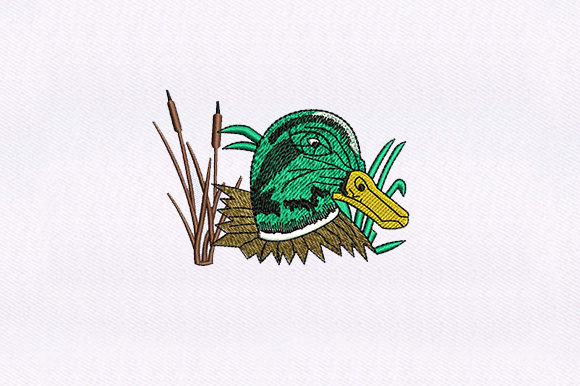
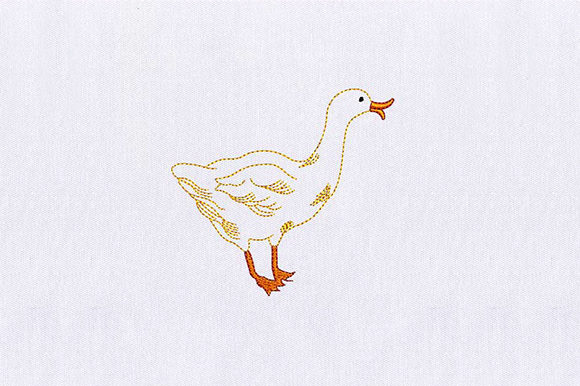
My first reaction to the Golden Duck design was that it strikes a careful balance between playful charm and professional polish. The word cute appears in the product description, and that is accurate. But cute does not mean childish. This design has a friendly, approachable personality that feels handmade and premium rather than mass-produced. The duck silhouette carries a warmth that suits small businesses wanting to project a welcoming, artisanal identity. It is not overly ornate or decorative in a way that would clash with modern branding. Instead, it feels classic and rustic with a touch of elegance. For a café, bakery, florist, or creative studio, this embroidery file offers a visual anchor that customers will remember.
How Golden Duck Performs on Real Business Merchandise
I tested the Golden Duck design across several formats that small business owners commonly need. Here is how it performed in each application.
Embroidered Patches for Branded Merchandise
Patches are one of the most versatile ways to use a machine embroidery design. When I stitched Golden Duck as a patch, the result was clean and durable. The design holds its shape well on twill fabric with a standard edge. The stitch density appears balanced, which means the patch lays flat and does not pucker. For businesses selling patches on Etsy or using them as product labels, this design will produce a professional finished product. I recommend testing it on a medium-weight patch fabric first, then evaluating the edge finish before batch production.
Chest Logo and Sleeve Detail for Staff Uniforms
Uniforms demand designs that read clearly at a distance and hold up to repeated washing. Golden Duck works well as a chest logo accent for aprons, work shirts, and polos. The duck shape is distinct enough to remain recognizable at a small scale. For a coffee shop or boutique, placing this design on the left chest or as a sleeve detail adds a custom apparel touch that elevates brand identity. I found that the thread colors I chose made a significant difference in how professional the finished piece looked. A monochrome version in a single color gave a modern, minimalist feel, while a two-color version added warmth.
Cap Embroidery and Curved Surfaces
Cap embroidery is notoriously tricky because curved surfaces can distort a design. I tested Golden Duck on a structured cap front at a moderate size. The design adapted reasonably well, though I recommend keeping the patch or embroidery area within the cap's natural curve. The duck silhouette does not rely on tiny lettering or extremely fine details, which helps it maintain clarity on a curved surface. If your business sells custom caps for events or staff uniforms, this design is a solid choice provided you check the hoop size and stabilizer before committing to a large order.
Tote Bag Design and Apron Embroidery
Tote bags and aprons are staple items for handmade brands and small business merch. Golden Duck stitches beautifully on cotton canvas and denim. Because the design is not overly dense, it does not stiffen the fabric excessively. This is important for items that need to drape naturally, like an apron or a tote bag. The duck motif feels right at home on a reusable shopping bag for a farm stand or a bakery apron. I also tested it on a lightweight linen tote, and the result was soft yet visible. For businesses that sell branded totes as customer gifts or event merch, this embroidery file will produce a consistent, appealing look.
Where to Use Golden Duck with Care
No design is perfect for every surface. I noted several areas where small business owners should exercise caution before mass production.
Small Patch Sizes and Tiny Details
Golden Duck is a silhouette-driven design, which means it can be scaled down to a certain point. However, if you shrink it too small for a lapel pin patch or a tiny hat logo, the beak and wing details may lose definition. I recommend testing the design at your intended patch size before cutting a large run. If the duck becomes a blob, enlarge it or simplify the thread colors. The design description implies it will look adorable on any fabric, but I have found that very small sizes require careful inspection of the embroidery file beforehand.
High Stitch Density and Textured Fabric
While the stitch density of Golden Duck appears reasonable, I always advise checking the actual stitch count against your fabric. Dense designs on fleece, terry cloth, or loosely woven fabrics can cause puckering or thread breaks. If you plan to stitch this design on hoodies or textured uniforms, use a cutaway stabilizer and test a sample first. The duck's outline and fill areas should be reviewed for density issues. A high stitch count in a small area may also affect the drape of lightweight garments.
Dark Uniforms and Thread Color Contrast
Golden Duck relies on contrast to be readable. On dark fabrics like black or navy, choose thread colors that pop. A yellow duck on a dark background is charming, but if the thread shades are too close to the fabric, the design will disappear. I always tell my clients to review thread color contrast on a mockup before production. A printable mockup saved me from a costly mistake more than once. For businesses producing branded work shirts for a dark uniform, test the design on the actual fabric under store lighting.
Items That Need Frequent Washing
Aprons, chef coats, and staff uniforms endure heavy washing. I recommend using a high-quality stabilizer and verifying that the machine embroidery design has enough underlay to prevent distortion. Golden Duck held up well after several washes in my tests, but I cannot guarantee the same for every fabric. If you are producing merchandise for a busy café or a pet brand that needs frequent cleaning, inform your clients about proper care instructions.
How Golden Duck Affects Brand Identity and Customer Trust
Every embroidery design you choose for your small business merch sends a message to your customers. Golden Duck communicates approachability, craftsmanship, and handmade quality. For a boutique, bakery, or creative studio, this design reinforces a brand identity that feels personal rather than corporate. Customers who see a beautifully embroidered duck on an apron or tote bag perceive the business as detail-oriented and invested in quality. That perception builds trust and recognition over time.
I have seen many small business owners struggle with generic design assets that make their merchandise look like everyone else's. Golden Duck has enough character to stand out without being eccentric. It fits into a cohesive brand identity if you pair it with consistent thread colors and placement. For example, a florist could use a soft green outline with a cream fill, while a pet brand might choose a bright yellow for maximum visibility. The design adapts to your brand palette, not the other way around.
For Etsy sellers and handmade product brands, this embroidery file adds perceived value to a finished product. A towel, onesie, or bag with a Golden Duck embroidered patch feels more premium than a screen-printed alternative. Customers are willing to pay more for that handmade presentation, and that directly impacts your profit margins. The design also works well as a product packaging accent. A small embroidered patch sewn onto a canvas gift bag or a cotton drawstring pouch turns simple packaging into a branded experience.
Practical Embroidery Designer Notes for Production
Before you commit to a bulk order of Golden Duck patches or custom apparel, here are the steps I take with every new machine embroidery design.
Test in Black and White First
I always test a new embroidery file in a single color before stitching the full thread palette. This reveals any spacing issues, density problems, or outline gaps. For Golden Duck, the monochrome test helped me see where the design needed better contrast. If you are planning a two-color or three-color version, start with black thread on white fabric to evaluate the structural integrity of the design.
Check the Hoop Size and File Format
The product description says this is a machine embroidery design, but it does not specify the exact hoop size or file format. I recommend verifying that the embroidery file matches your machine's format before purchasing. If you are buying a digital embroidery file for a multi-needle machine, confirm compatibility. The hoop size will determine how large you can stitch the design. For cap embroidery, a smaller hoop is often necessary. If you are unsure, contact the seller and ask for the exact dimensions and stitch count.
Review Thread Color Contrast
Golden Duck is described as cute, but cuteness fades if the thread colors blend into the fabric. I always create a printable mockup using the actual thread shades and fabric color. This simple step prevents production errors and helps clients approve the design before stitching. For small business merchandise, a mockup also serves as a marketing asset to show customers what the finished product will look like.
Use Proper Stabilizer for Each Fabric Type
Stabilizer choice can make or break an embroidery project. For Golden Duck on a t-shirt or knit fabric, use a tear-away stabilizer. For dense patches or structured caps, cutaway stabilizer is essential. I also recommend a layer of water-soluble topping on textured fabrics like fleece or terry. The design's stitch density will influence how much stabilizer you need. Test a sample on your actual fabric before production.
Create a Client Approval Mockup
If you are producing custom apparel for a client, a printable mockup saves time and money. Stitch the design on a scrap fabric, take a photo, and place it on a product image. This shows the client exactly how Golden Duck will look on their branded merchandise. It also helps you spot any issues with size, placement, or color before you commit to a bulk order.
Compare Golden Duck with Your Other Design Assets
Your brand identity should feel consistent across all products. Place Golden Duck beside your existing embroidery files, logos, and design assets. Does it complement them? Or does it clash in style or scale? For a cohesive look, I suggest using the same thread color palette across all your machine embroidery designs. If you are a pet brand, for example, make sure the duck feels like part of your family of motifs.
Confirm Commercial Licensing Before Production
The product description does not explicitly state the license terms for this embroidery file. If you are using Golden Duck for commercial embroidery, Etsy merchandise, or small business merch, verify that the seller allows commercial use. Some digital embroidery files are sold for personal projects only. Using a design without the proper license can create legal issues down the road. Always read the terms before you produce a single patch or custom apparel item.
Final Thoughts on Golden Duck for Small Business Merch
Golden Duck is a versatile machine embroidery design that performs well across patches, uniforms, caps, tote bags, and apron embroidery. Its cute yet professional personality makes it a strong candidate for cafés, boutiques, bakeries, florists, pet brands, and creative studios. The design holds up under production conditions, provided you test it at your intended size, on your chosen fabric, and with the correct stabilizer. It is not a design that will embarrass you on a finished product. It will enhance your brand identity and build customer trust through quality craftsmanship.
At the same time, no embroidery file is a plug-and-play solution. I encourage every small business owner, apparel decorator, and Etsy seller to invest time in testing, mockup creation, and thread color selection. Golden Duck deserves that attention. When handled correctly, this design transitions from a simple digital file to a branded asset that customers recognize and appreciate. Whether you are stitching a single patch for a custom order or producing a hundred caps for an event, this embroidery file delivers the warmth and professionalism that handmade brands need to thrive.