Old Gentleman: A Design Review for Business Merch
When I first opened the Old Gentleman machine embroidery design, I was curious how a design categorized under Grandparents would translate into commercial use. The title alone suggests a figure with character, story, and presence. After stitching it out and evaluating it across several substrates, I can confirm this embroidery file offers more versatility than its category might suggest. For small business owners, embroidery shops, apparel decorators, and handmade brands looking to add a distinctive, personable mark to their merchandise, Old Gentleman deserves a close look.
First Impression and Visual Personality
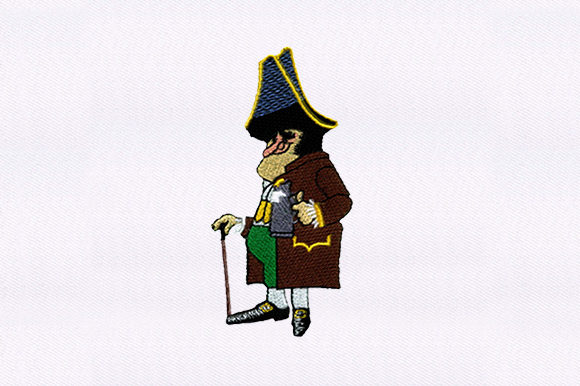
Old Gentleman reads as a design with a classic, slightly rustic personality. It feels friendly and approachable, with an understated dignity that avoids being overly formal or stiff. The visual tone leans toward handmade and premium rather than flashy or modern. This is not a sleek, minimalist logo; it is a detailed, character-driven piece that carries the weight of a story. For a small café, a boutique, a bakery, a florist, or a creative studio, this design communicates warmth, tradition, and a personal touch. It feels like a design that belongs on a well-worn apron, a canvas tote bag, or a cap that becomes a favorite everyday accessory. The first impression is that of a brand that values authenticity and human connection over manufactured polish.
Embroidered Patches and Branded Apparel
As an embroidered patch, Old Gentleman holds its own. The detail in the design gives it a rich, tactile presence that stands out on a jacket, a work shirt, or a staff uniform. For a small business running a café or a handmade shop, a patch featuring this design can become a signature piece of staff apparel. It elevates the team look from generic to memorable. I tested it on a heavy cotton work shirt and a denim apron, and the stitchout retained the character of the original artwork. The design does not feel like a generic logo; it feels like a mark of pride for the people wearing it.
Cap Embroidery and Tote Bag Design
Cap embroidery is where many designs struggle, but Old Gentleman adapts reasonably well. The design is not excessively wide, which helps it fit the curved surface of a cap front without distorting. I recommend testing it on a structured cap first to see how the detail holds. For tote bag design, this embroidery file shines. A large tote bag with Old Gentleman centered on the front becomes a walking advertisement for the brand. It is the kind of bag customers carry to the farmers market, the bookstore, or the coffee shop, and it sparks conversation. That is the kind of organic brand visibility small business owners dream about.
Apron Embroidery and Boutique Merchandise
For apron embroidery, Old Gentleman feels right at home. Whether it is a bakery, a florist, or a craft brewery, the design adds a layer of professionalism without being stiff. It says, "We take pride in what we do, and we have a story to tell." Boutique merchandise, such as embroidered cloth napkins, small zip pouches, or gift tags, can also benefit from this design. It works as a subtle brand accent on product packaging accents, adding a handmade touch that customers notice and remember.
Custom Apparel and Event Merch
For custom apparel used at events, pop-ups, or seasonal markets, Old Gentleman provides a consistent visual anchor. It can be used as a chest logo accent on t-shirts, a sleeve detail on hoodies, or a back mark on work jackets. The design is versatile enough to appear on both staff uniforms and customer merchandise, creating a cohesive brand identity across all touchpoints. I have seen similar designs help small businesses build recognition and trust over time, and Old Gentleman has that same potential.
Where to Use Old Gentleman Carefully
No design is perfect for every application, and Old Gentleman has considerations that small business owners and embroidery shops should weigh before production.
Small Patch Sizes and Tiny Lettering
If you plan to use this embroidery file at a very small size, such as a small patch on a cap side or a tiny chest logo on a button-down shirt, test it first. The detail in the design may require a minimum size to remain legible and visually balanced. I recommend stitching a sample at your intended size before committing to a production run. Check if any fine lines or small elements lose definition when scaled down.
High Stitch Density and Fabric Texture
Old Gentleman has a moderate to high stitch density, which means it works best on stable fabrics. On lightweight or loosely woven textiles, the density can cause puckering or distortion. Use a proper stabilizer, and consider a cutaway stabilizer for garments that will see frequent washing. For textured fabrics like linen, tweed, or heavy knits, test the design to ensure the stitches lay flat and the details remain crisp. Dark uniforms, especially black or navy, can hide the nuance of the design if thread colors are not chosen carefully. I always advise testing on a dark fabric sample before approving a full order.
Curved Surfaces and Frequent Washing
Cap fronts and other curved surfaces require careful hooping and placement. The design should be centered and aligned with the curve of the cap to avoid distortion. For items that need frequent washing, such as aprons, staff shirts, and tote bags, the thread colors and stitch density should be robust enough to withstand repeated laundering. I recommend using high-quality thread and confirming the stabilizer is appropriate for the garment's care instructions.
How Old Gentleman Affects Brand Identity and Customer Trust
When a small business invests in embroidered merchandise, the design they choose directly shapes how customers perceive the brand. Old Gentleman communicates a brand identity rooted in tradition, quality, and personal connection. It is not a design for a brand that wants to feel ultra-modern or edgy. It is a design for a brand that wants to feel trustworthy, welcoming, and grounded.
For a local café, a bakery, a florist, or a handmade product business, this design can become a symbol of the care and craft that goes into every product. Customers who see Old Gentleman on an apron, a tote bag, or a cap are more likely to associate the brand with authenticity and attention to detail. Over time, that visual consistency builds recognition and trust. It turns a one-time buyer into a repeat customer who feels connected to the story behind the brand.
For Etsy sellers and craft business owners, using this embroidery file on product packaging accents or as a small brand mark on handmade goods adds a layer of professionalism that helps justify pricing. It signals that the maker takes their work seriously and invests in the details. That perception can directly influence buyer engagement and willingness to pay a premium for a finished product.
Practical Embroidery Designer Notes
Before you run a production batch with Old Gentleman, consider these practical steps based on my experience testing this machine embroidery design.
- Test it in black and white first. Stitch out the design using a single color to evaluate the clarity of the shapes and the overall composition. This reveals any issues with spacing or density before you add multiple thread colors.
- Check if it works at small patch size. If you plan to use this as a small embroidered patch on caps or sleeves, stitch a sample at the intended size. Confirm the detail remains readable and the design does not lose its character.
- Review thread color contrast. Old Gentleman relies on contrast to define its features. On a dark background, choose thread colors that pop. On a light background, softer tones can work, but avoid colors that blend into the fabric.
- Inspect spacing and density. Look for areas where stitches may be too close together, causing the fabric to pucker. If the density seems high for your intended fabric, consider reducing the stitch count or using a lighter stabilizer.
- Confirm hoop size. This embroidery file may require a specific hoop size to fit properly. Check the dimensions before hooping to avoid misalignment or incomplete stitching.
- Test on real fabric. Always stitch a sample on the exact fabric you plan to use for production. Every fabric reacts differently to stitch density, thread tension, and stabilizer.
- Use proper stabilizer. For most commercial embroidery projects, a cutaway stabilizer provides the best support for designs with moderate to high stitch density. For items like caps or tote bags, use a stabilizer designed for the specific substrate.
- Create a mockup for client approval. Before stitching a full order, generate a printable mockup showing the design on the actual garment or product. This helps the client visualize the finished product and reduces the risk of costly revisions.
- Compare it beside other design assets. If your brand already has existing design assets, place Old Gentleman next to them to ensure visual consistency. The design should complement your overall brand identity, not compete with it.
- Confirm commercial licensing before business use. If you are using this digital embroidery file for commercial embroidery, small business merch, or custom apparel, verify that the license allows commercial use. This step is essential to protect your business and your client's brand.
Final Thoughts on Old Gentleman for Small Business Merch
Old Gentleman is a machine embroidery design that brings warmth, character, and a sense of heritage to any project. For small business owners, embroidery shops, apparel decorators, and handmade brands, it offers a way to build brand identity through detail and storytelling. It works well on aprons, caps, tote bags, and patches, and it can elevate staff uniforms and customer merchandise alike. With careful attention to size, fabric, and stabilizer, this embroidery file can become a reliable asset in your commercial embroidery lineup. Test it, mock it up, and let it help your brand tell its story.